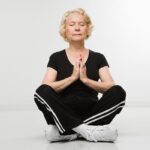
Tips for processing challenging emotions and coping with adversity
We’re all doing our best to adapt to this new normal, but it’s tough. We asked yoga instructor Emilie to share some techniques for building emotional resilience, or the strength we need to handle challenging situations (like the one we’re in right now!) calmly. Here’s her simple step-by-step guide to meditation that will leave you feeling a little more zen.
Build emotional resilience through meditation
The science is in on this one: people who meditate regularly have higher emotional resilience. That’s because meditation can help you be more mindful: more present with what is, whether it’s good or bad. This ability to stay present in difficult times means you’re better equipped to process challenging emotions and cope with adversity — which is what emotional resilience is all about. There will always be difficult moments in life, just like the one we’re going through right now, but your reaction makes all the difference in how we experience those moments.
Try it at home
The best time to meditate is when you’ve warmed up your body and done some breath work. Set your alarm for five minutes so you’re not distracted wondering how long you’ve been meditating or how long you have left to go. Find a comfortable sitting position, keeping your spine long and rest your hands in your lap or on your knees. Start by gently closing your eyes, and tuck your chin in slightly towards your neck. Soften your jaw, throat, heart, belly, and base of your pelvis. Focus your attention on your breath: inhale through your nostrils, and exhale through your nostrils. Notice how your breath feels as it moves in and out of your body. Your thoughts will wander, and your mind will distract you from your breath. When you notice it happening, just return to your breath and notice sensations as they arise.
Many people feel great after just five minutes of meditating. But to really enjoy its effects on your mood, I recommend meditating every day for at least two weeks — and beyond.
To try yoga, breath work, and meditation by joining one of our virtual classes. We are offering a number of free low-impact yoga classes online that can help you unwind and find more inner peace. Browse our live and pre-recorded group fitness classes like Soothing Yoga, Bodyfit Chair, Bodyfit Gentle, Chair Yoga, and Arriba, and find the ones that make you feel good!