
Donate
  • Home
  • Bright Ideas Blog
logotype
  • Home
  • Bright Ideas Blog
logotype
  • Home
  • Bright Ideas Blog
Seniors Tag
Home Posts Tagged "Seniors"

Tag: Seniors

08 Apr
Fitness & Active LivingHobbies & InterestsBy admin0 Comments

The health benefits of pets

What would we do without our pets? We love our dogs, cats, guinea pigs, iguanas, rabbits, and snakes because they make us feel good. But why does being with our pets make us feel so much better?

It turns out there are a number of health benefits to owning a pet. They can help reduce our levels of stress, anxiety and depression because the feelings they stir in us increase our levels of feel-good hormones serotonin and dopamine, making us feel more calm and relaxed.

Understanding the pet effect

April 11 is National Pet Day. This day was first recognized in 2006 and was created by animal welfare advocate and family lifestyle expert Colleen Paige. Colleen believes that animals in shelters should be adopted as pets and given an opportunity to be loved and cared for. Pets make us humans happy and healthy.

Dogs and cats in particular are exceptional at cuddling and many won’t turn down a hug, stroke or scratch behind the ear. We are a perfect match with our furry family members because we both thrive from personal touch and interaction and are happiest in the company of our “pack”. In fact, there are so many health benefits to the connection humans and animals have, that it’s often referred to as the “pet effect”.

Pets can keep you physically and socially active

Studies suggest that those of us who are over 65 and have a pet make fewer visits to the doctor. We are more physically active when we take our furry friends for a walk every day and play with them at the park, for example. They also provide us with welcome companionship and help improve our feelings of loneliness by giving us a purpose and routine — they even help us to meet new people!

Owning and caring for a pet, like a dog or a cat, is a commitment and may not be possible for everyone based on their health or financial situation, or perhaps because of where they live. But it’s worth a visit to your nearest shelter, perhaps to fall in love with your new pet or just to get some of that “pet effect”.

Read more about the mood-boosting power of dogs, and about the “pet effect”.

READ MORE
30 Nov
Healthy LivingHobbies & InterestsMental HealthSpotlight StoriesBy admin0 Comments

Staff Spotlight: Samantha Casmey, manager of adult health and fitness

There’s no such thing as a typical day for Samantha Casmey, Manager of Adult Health and Fitness programs at the YMCA of Greater Toronto. That was especially true on March 14, 2020 when COVID-19 shut down in-person classes and the organization had to pivot to a virtual offering.

Casmey has been working for the YMCA of Greater Toronto since 1994 in a variety of roles. Pre-pandemic, she would train the trainers, oversee quality of the programs and establish new ventures with partner organizations. In that respect, not much has changed about her job. But over the past year, the way these programs are being offered has dramatically shifted.

Going virtual — No time to wait

The programming at the YMCA has always been about helping people connect. For seniors who had an existing relationship with the YMCA, they would come in on a regular basis to socialize with friends while improving their mental and physical health.

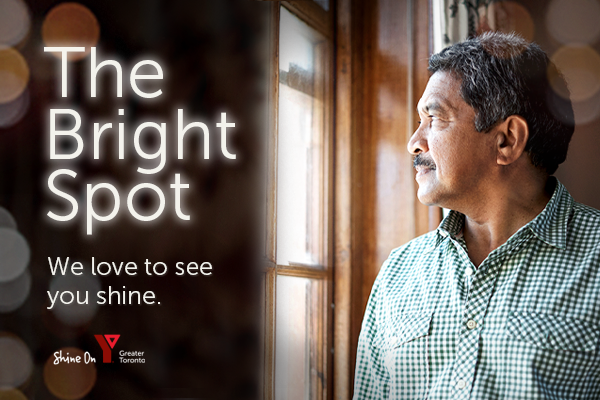
The Bright Spot was created as a central, digital hub for older adults to deliver the fitness and meetups to which they had become accustomed. And the journey from program conception to a live website and programming happened in less than a month.

“Virtual had to become a reality,” says Casmey. “There are so many benefits though. Especially for older adults who have mobility issues, transportation problems or a tough time physically getting to the building.”

Launching new programs

The Bright Spot launched with 15 programs that ranged from fitness classes and workshops to book clubs and travel talks. A handful were extensions of ones already offered at the YMCA, while others were new to the mix.

“Some classes have grown to a few dozen people and others were cut after a few weeks,” says Casmey. “It was a bit of trial and error but overall it’s gone really well. We just want to make sure we’re targeting a variety of interests.”

Navigating the right technology

The YMCA has always wanted to use technology as a way to connect older adults. Naturally, COVID-19 accelerated those plans. That’s where Zoom came in. The platform delivered a lot of flexibility that allowed for larger gatherings or alternative programming not normally available in the facility.

“Before COVID, people didn’t have a lot of experience with these tools,” says Casmey. “All of that has changed. I think it’s great that we have participants teaching one another how to use the technology now. We’ve really come a long way.”

Resilient connection

With self-isolation and stay-at-home orders, the pandemic can bring feelings of isolation. That’s why The Bright Spot has been so important. Classes act almost like support groups, where virtual strangers can share their struggles. People often comment that they learn more about people that they take classes with online than they did with casual, in-person conversations.

Moving forward, programming like this doesn’t have plans on slowing down — even after COVID-19 does. The classes delivered and lessons learned will continue to facilitate meaningful conversations that allow older adults to connect with each other, with or without the Internet.

Want to spark a conversation or improve your fitness? Check out the YMCA of Greater Toronto’s programming for a full list of ways you can connect with older adults.

Sam Casmey has an honours BSc in kinesiology from the University of Waterloo and is a YMCA Canada Trainer Educator. She’s currently the YMCA of Greater Toronto’s Manager of Health & Fitness Adult Programs. In the 20 years she’s been working at the Y, Sam’s taught thousands of fitness classes and trained hundreds of volunteers to teach classes including Arriba, MuscleFit, Bootcamp, and many more. She’s currently spending her time on Sudoku, cryptic crosswords, and books on habits and behaviour change.

READ MORE
12 Nov
Healthy LivingMental HealthBy admin0 Comments

Aging in place: Is your home the best place to spend your golden years?

In many ways, the face of the pandemic in Canada has been a person peering through the glass of a window separating them from the outside world. Those windows have often been at long-term care (LTC) facilities, where COVID-19 hit the country hardest. Now, more than one year into the pandemic, about 70 per cent of Canada’s total COVID-19 deaths occurred in LTC facilities. The COVID-19 crisis in nursing homes “has shifted Canadians’ views on aging in their own homes rather than in retirement or nursing homes,” according to a report by Ryerson University’s National Institute on Ageing. A recent survey by the institute found that:

  • 91 per cent of Canadians of all ages say they plan on “supporting themselves to live safely and independently in their own home as long as possible,” also known as aging in place
  • 60 per cent of Canadians overall, and 70 per cent of Canadians aged 65 and older, say the pandemic has changed their opinion on whether or not they’d arrange for themselves or an older loved one to live in a nursing or retirement home

Wanting to age in place is one thing. Whether you actually can is another.

As you get older, changes to your finances, health, marital status and family situation could affect how feasible it is to remain in your own home. That’s why it’s wise to make a plan for aging in place now. To do that, you and your loved ones will have to ask yourselves some tough but necessary questions.

Aging in place consideration 1: Your home

Don’t focus on the way things are right now. Consider how they may change as you get older. With your home, that includes:

Suitability: 

  • Does it have wide doorways for wheelchair access or would you need to renovate?
  • Is there a bathroom on the ground floor?
  • Are there too many stairs?
  • Will it need extensive repairs in future?
  • Is it a large property requiring extensive mowing and snow shovelling?

Affordability: 

  • Will you still have a mortgage after you retire?
  • In retirement, will you be able to afford repairs, upkeep, insurance and monthly utilities?

Location:

  • Is your home close to family and friends, as well as amenities like grocery stores?
  • Is your neighbourhood safe for seniors?
  • Do you live near sports or cultural activities you enjoy or plan to explore as you age?
  • Will local winters make walking or driving hazardous if you become frail?

Aging in place consideration 2: Getting around

If you plan to keep driving during your golden years, make sure you’ll still be able to afford gas, parking, insurance and repairs.

Do you have any degenerative medical conditions that could hinder your ability to drive? If so, are crucial amenities within walking distance of your home?

What about the safety of your neighbourhood? If crime or traffic make you feel unsafe walking in your neighbourhood, that is an important consideration. Ensure there is safe, affordable public transport near your residence, or that you have the option to arrange accessible transit as you grow older.

Aging in place consideration 3: Finances

Calculate whether your savings, investments, workplace pension and RSPs will sustain you remaining at home for decades to come. Then assess if you’ll qualify for other sources of income as a senior, such as federal and provincial tax credits, Old Age Pension, Old Age Security, Guaranteed Income Supplement and veterans’ benefits.

Try to project future expenses that could add up as you age, including medications, assistive devices such as ramps and handrails, public transportation and home renovations for accessibility.

One big potential expense is home care, which assists seniors with necessities like cooking and bathing. Find out which public and private agencies provide home care workers in your area, their monthly fees, and if you’ll be eligible for government or private benefits to defray the cost.

Aging in place consideration 4: Staying healthy

Physical and mental health are critical to aging in place. Are there good quality doctors, hospitals, clinics and specialists in your area? Will your future budget cover medications, physiotherapy, assistive devices and accessibility renovations?

In addition, you’ll likely want and need the support of your community. Are there family, friends, cultural institutions, recreation facilities and community support services nearby to keep you active and socially connected? All of these will help you stay physically active with a positive outlook and good mental health as you grow older.

Take the time to reflect on your personal living situation and answer the above questions to gain insights into safely, comfortably aging in place. As part of your evaluation, the Canadian government offers even more resources including a detailed checklist to assess your readiness and refine your plan.

READ MORE
Categories
  • Fitness & Active Living16
  • Food & Nutrition7
  • Health4
  • Healthy Living17
  • Hobbies & Interests12
  • Lifestyle3
  • Mental Health25
  • Spotlight Stories13
Recent Posts
  • Yoga Gentle
    Yoga Gentle
    July 10, 2023
  • Tech Basics
    Tech Basics
    July 10, 2023
  • Fitness Classes
    Fitness Classes
    July 10, 2023
logotype

Follow the Y

Twitter Facebook Youtube Instagram Linkedin
Privacy Policy Terms & Condition
Donate Now

YMCA of Greater Toronto 2023. All rights reserved

Charitable registration number 11930 7080 RR0001