Donate
  • Home
  • Bright Ideas Blog
logotype
  • Home
  • Bright Ideas Blog
logotype
  • Home
  • Bright Ideas Blog
healthy mind Tag
Home healthy mind Page 2

Tag: healthy mind

17 Sep
Mental HealthBy Zoja Popovic0 Comments

A yogi’s guide to cultivating inner peace, even in the most stressful times

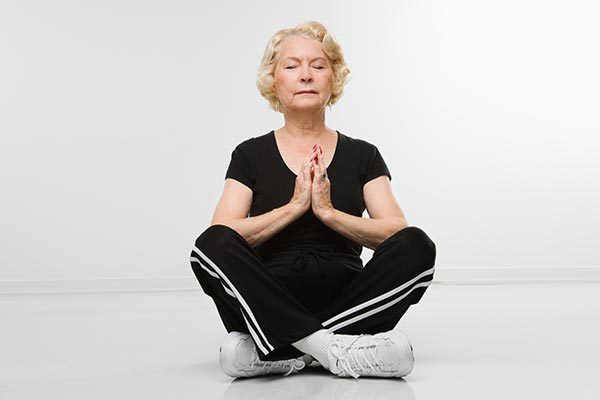
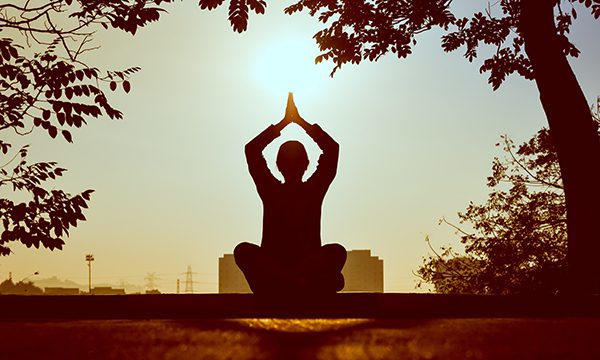
Our regular everyday lives are stressful enough, never mind this “new normal” we’re all struggling to cope with. As we forge ahead during this time of collective crisis, it’s more important than ever to take extra time to care for our mental health. Inner peace might sound like a lofty goal, but Jennifer Hogan, one of our resident yoga experts, says we all have the potential for peace inside of us; we just need to tap into it. Here are the top four ways to get started, all from the comfort and safety of your home.

I believe anyone can attain inner peace, but it’s not a one-off goal. You can’t just accomplish it and then check it off the list. It’s an ongoing practice that we’re always nurturing and growing. Yoga, meditation, and mindful movement can help you find and maintain yours.

1. Finding balance

Yoga is all about balance. In classes like the ones we’re offering on The Bright Spot, you’ll find plenty of movements that balance out your body: forward and backward postures, seated and standing postures, expanding and contracting your lungs, and more. In much the same way, yoga helps bring balance to our minds. Bringing your focus inward and finding physical equilibrium helps our mind start to search for a similar ebb and flow. Consistent yoga practice can make that peaceful feeling last, even when you’re off the mat.

2. Acceptance and awareness

Yoga can be very humbling. One philosophy behind this ancient practice is that you should begin where you are. You become aware of your limitations and agree to work within your capabilities. Honest acceptance of where you are today helps wash away those nagging feelings of guilt or inadequacy. How peaceful does that sound?

3. Compassion and empathy

All of that acceptance is part of self-love. As you become kinder to yourself, you’ll find it easier to turn that kindness outward and empathize with others. You’ll start to recognize that everyone has their struggles, just like you. This ability to see yourself in others helps you interact more peacefully with them. It doesn’t mean you’ll never feel frustrated again, but maybe it will happen less often and without the accompanying anger and stress.

4. Becoming present

When you practice yoga, you learn how to slow down and experience life in the present. Most worries are based on memories of the past, or (perhaps especially these days) thoughts of the future. If you can bring yourself back to the present, you can get rid of these “what if?” ideas that weigh you down. Life isn’t going to be perfect, and we’re all dealing with a lot of uncertainty about what our future holds right now, but living in the present is much more peaceful than ruminating on the past or constantly wondering about the future.

During this stressful time, do your best to carve out a few moments to cultivate inner peace in your life. Check out our soothing Yoga or Tai Chi classes to start building feelings of presence and peace today.


READ MORE
26 Aug
Mental HealthBy Zoja Popovic0 Comments

An easy activity to help you protect your mental health and find your inner peace

Every one of us has a responsibility to protect ourselves and our communities by practicing physical distancing. It’s a crucial precaution, but we know it can also feel tough sometimes — as can the ongoing updates we’re all hearing in the news.

To stay strong and positive, we all need to protect our mental health. Our YMCA Camps team has some experience that could help you through this challenging time. Try the super-simple, soothing activity they usually do during out-trips: soloing.

What’s soloing?

Soloing is a great way to practice mindfulness (and physical distancing). Basically, you work on turning your focus inwards and concentrating on your own state of mind, while in the presence of others. It’s sort of like a group meditation! Each of you simply sit, soak in your surroundings, and contemplate whatever comes to mind. It can be as long or as short as you’d like.

If you’re fortunate enough to have your own backyard, or live near a low-traffic green space, you and the members of your household can head outside to make your soloing expedition feel more like an authentic camp experience. But you can solo just fine from your living room, or, if you’re home alone, even with friends and family over FaceTime.

Here’s how to get started:

  • Nominate someone to facilitate the exercise. The facilitator should walk your group through the rest of these steps, below, but they can participate as well.
  • If you’re outside, find a low-traffic place to set up. You want to make sure you won’t be interrupted by others walking by (and also make sure you’re keeping the recommended two metres apart from people who aren’t in your household!). If you’re inside with your family, roommate, or whoever else you’re staying home with, gather in a comfortable shared space and take a seat.
  • The facilitator should set the stage for your soloing session, reminding your group to focus your attention on the sounds, smells, sights, and other sensations around you. If you’d like, you can journal or draw while you solo to capture what you’re experiencing. You shouldn’t be interacting with the other group members at this point, or sharing your observations; the point is to turn your attention inward, even when you’re with others.
  • The facilitator decides how long the activity should last. Once it’s over, they can bring your group back into a circle for a little debrief, where you can discuss things like:
    • Where your mind wandered off to
    • Things you saw, heard, or felt
    • What the shared silence made you feel
    • How long you think you sat there for

Why soloing is special

The interesting thing about soloing is that it’s not very interesting, when you really think about it! You’re just sitting there, thinking. But during stressful times like these, it’s critical to take time for yourself, reflect quietly, be mindful, and live in the present moment. Soloing is exactly the type of activity we should all be participating in right now, to help us appreciate the everyday sensations, details, and feelings that we usually brush past.

READ MORE
28 Jul
Mental HealthBy Zoja Popovic0 Comments

Recognizing and handling stress

Here at The YMCA of Greater Toronto, we respect and admire the expert advice provided by our partners at The Heart and Stroke Foundation of Canada. That’s why we’re excited to bring you even more great reading material written by the team at this other health-focused charity! In this next piece, Heart and Stroke experts talk about managing stress.

Stress is a part of life for just about everyone. Sometimes it is not easy to recognize stress because we are caught up in the flow of life; at other times, it can be very obvious. Many of us are noticeably more stressed out due to COVID-19.

Often, stressors are things you cannot control, like major life events (a global pandemic, or the loss of a job) or conditions in your life (like not getting along with someone close to you). Your responses to these stressors are your stress reactions. Stress reactions vary from person to person. For example, if you hate your job, losing it can make you feel free. For someone else, losing a job may be terrible.

Although stress happens first in the mind, it has a strong impact on the body. Stress can even damage your heart health. Sudden intense stress increases the short-term risk of a heart attack. Too much stress over a long time (months to years) is called chronic stress and it has been linked to an increase in coronary artery disease.

Recognizing your stress reactions

Everyone has his or her own individual stress reactions. Think for a moment about when you are stressed out or upset. What happens to you?

Consider your thoughts:

  • Do you have trouble concentrating?
  • Do your thoughts race, or freeze up?
  • Do you start to think “the worst”?
  • Are you more likely to see yourself, your future or other people negatively?

What about your emotions:

  • Does stress lead you to have angry, anxious or sad feelings?

Check-in with your body:

  • How do you feel physically?
  • What happens to your breathing?
  • Are your muscles tighter?
  • Does that create pain anywhere, like headache, back or jaw pain?
  • What happens to your sleeping patterns?
  • How does your stomach feel?
  • Do you sweat, have dry mouth, diarrhea or constipation?
  • What happens to your heart rate?
  • If you measured your blood pressure, what would you see?

Behaviour and actions:

  • How do your habits and behaviours change?
  • Do you eat more or have more junk food and sugary drinks?
  • Do you stop exercising? Do you start smoking? Drink more alcohol, or use prescription or non-prescription drugs?
  • Do you become nervous or keep to yourself?

All these signs point to something real that you can feel: your mind and body are connected. Stress happens first in the mind, but has effects all through the body, including, of course, the heart and circulatory system.

How can I manage stress?

It may be possible to change or remove the stressor – for example, you may be able to change your job, your work schedule, or avoid difficult people or unpleasant situations.

But in many cases removing the stressor is not possible. In this situation, you need to change your stress reaction. Here are some strategies to help you:

Mental responses: You cannot control all parts of your life, but you can control your response to stress and keep a positive attitude. Identify your “thought habits” that can make stress worse (most of us have at least one). Here are a few examples:

  • Deciding right away that it is going to be really bad, without looking closely at the facts
  • Looking only at the bad parts and not seeing the good
  • Worrying about problems that are really not yours

Emotional responses: Figure out your emotional reactions to stress and talk about them.

Physical responses: Try deep breathing and relaxation exercises, like one of our online Yoga classes.

Behavioural responses: Decide what you can change about the stressor and then take action and do it. Keep up your healthy habits. Spend time with friends and family.

Try our activities page for online group fitness classes or social events. Or you can read more about ways to integrate mindfulness and meditation into your day. 

Thanks to our partners at the Heart and Stroke Foundation of Canada for their expert advice. Look out for more relevant information on our site, or visit theirs for more details.

READ MORE
06 Jul
sad senior asian man talking on cellphone
Mental HealthBy Zoja Popovic0 Comments

Here’s how stress impacts your health — and how to manage it

Here at The YMCA of Greater Toronto, we respect and admire the expert advice provided by our partners at The Heart and Stroke Foundation of Canada. That’s why we’re excited to bring you even more great reading material written by their team! In this next piece, Heart and Stroke breaks down how stress can impact our health and what we can do to manage the “bad” stress in our lives.

What is stress?

Stress is the body’s response to a real or perceived threat. That response — which can include a racing heart, tense muscles, and sweating — is meant to get you ready to act and get out of harm’s way. Stress can be helpful, but too much stress can harm your health and increase your risk of heart disease and stroke.

There is “good” stress and “bad” stress. Good stress can be managed. It can stimulate you to get things done. You can handle good stress.

But “bad” stress, which can last for hours, days, weeks, or more, can be dangerous to your health. Bad stress feels different than good stress. It can make you break out in a cold sweat, make your heartbeat furiously, scare you, and make you feel sick.

Your perceptions, thoughts, and actions can make a big difference in turning bad stress into good stress. By understanding your personality and your reactions to stressful situations, you can learn to cope better.

How does stress affect the risk of heart disease and stroke?

There are undeniable links between heart disease, stroke, and stress.

Stress can cause the heart to work harder, increase blood pressure, and increase sugar and fat levels in the blood. These things, in turn, can increase the risk of clots forming and travelling to the heart or brain, causing a heart attack or stroke.

If you feel stressed, it can be hard to lead a healthy lifestyle. Instead of using exercise to relieve stress, you might overeat, eat unhealthy foods, drink too much alcohol, or smoke. These behaviours, in turn, can increase your risk of developing heart disease and stroke.

Responding to stress with anger can also make matters worse. Anger increases your heart rate and your blood pressure, putting you at risk of a heart attack. People who are prone to anger are also more likely to turn to unhealthy behaviours.

Having a serious health event — like a heart attack, stroke, or being diagnosed with an illness — can also be stressful. And that stress can slow down the recovery process or even create health problems that weren’t there before.

Understanding stress

To deal with your stress, you need to recognize when you feel stress and how it affects you. Examine the causes of your stress, your thoughts, how you feel, and how you respond.

What is a stressor?

Stress-provoking situations are called stressors. They are all around us, almost all the time.

Stressors can be major life events such as losing a loved one, changing or losing a job, moving, divorce, and most recently, a major stressor we are all experiencing: a pandemic.

Stressors can also be routine events, like traffic jams, work pressures, or family responsibilities.

And they can be ongoing pressures: not being able to afford food, not being able to find a job, or not being able to secure affordable housing.

If you can identify your stressors, you can start to learn how to deal with them.

The stress response

Here’s how your body reacts to stress.

Stage 1: Mobilization of energy

Your body reacts to a sudden, frightening stressor such as narrowly avoiding a car accident. This is called primary stress.

Or, you can deliberately enter a stressful situation, such as going for a job interview. This is secondary stress.

In both cases, you may feel the following symptoms:

  • your heart rate increases
  • you breathe rapidly, in short gasps
  • you experience a cold sweat
  • you have butterflies in your stomach. Maybe you have indigestion or no appetite at all
  • you feel dizzy or lightheaded

Stage 2: Consumption energy

If you don’t recover from Stage 1, your body will begin to release stored sugars and fats, consuming vital resources. As a result, you may:

  • feel driven and under pressure
  • become exhausted to the point of fatigue
  • overeat or have a poor diet
  • experience anxiety or tension
  • have difficulty concentrating
  • suffer illnesses, such as colds and flu
  • increase unhealthy behaviours

Stage 3: Exhaustion

If your stress doesn’t go away, it can become chronic. Your body will need more energy than it can produce, and you could develop a serious illness, such as:

  • heart disease
  • stroke
  • high blood pressure
  • mental illness

Or, you may experience symptoms such as:

  • insomnia (difficulty sleeping)
  • errors in judgement
  • personality changes

There are many great tools for managing stress right here on The Bright Spot.

Try our activities page for online group fitness classes or social events. Or you can read more about ways to integrate mindfulness and meditation into your day.

Thanks to our partners at the Heart and Stroke Foundation of Canada for their expert advice. Look out for more relevant information on our site, or visit theirs for more details.

READ MORE
14 May
Mental HealthBy Saad Javed0 Comments

Boost your mood with at-home yoga and meditation

We’ve all heard that practicing yoga can help you find balance — and we’re not just talking about standing on one foot. Yoga can help you restore your energy levels, find peace, and build overall emotional resilience during this tough, stressful time. And moving through life with more ease and less stress means more energy for the things you love! So we asked Emilie Wong, a yoga and meditation teacher, to share how yoga can help support your mental health.

How to connect your mind and body through movement

Asana, or the physical practice of yoga, loosens up your joints, builds strength, and counteracts the effects of our increasingly sedentary lifestyles, which is even more important now that we are all staying home as much as possible. By practicing yoga regularly, you can mitigate pain or, in some cases, even get rid of it entirely. In part, that’s because yoga boosts endorphins — the brain’s feel-good hormones — which also act as pain killers.

While those are great benefits in and of themselves, yoga is also meant to prepare the body for meditation. Stiff joints or nagging back pain are distracting; loosening up and alleviating pain with regular yoga can help you clear your mind and live in the moment.

A simple breathing exercise you can try right now at home

Stand up tall with both feet planted on the floor. Start to notice how your weight sits in your feet. As you inhale, take your arms up overhead and reach for the sky. On your exhale, fold forward at the hips and allow your head, neck, shoulders, and arms to be weighed down to the ground. Stay in this forward fold for a few comfortable breaths, allowing your spine to lengthen. When you’re ready, press into your feet and roll up to standing as you inhale. Repeat the whole thing two to three times. As you go, gently note how this simple activity of connecting your breath to your movement can melt away stress and reduce stiffness in your spine and neck.

Truly be in the moment with our live yoga and meditation sessions

On The Bright Spot, our yoga instructors are leading live classes you can join for free. We hope to see you soon (virtually!) for some gentle stretching, breathing exercises, and guided meditation that will soothe both your mind and body.

READ MORE
14 May
Mental HealthBy Saad Javed0 Comments

A simple breathing exercise to help you stay calm and optimistic

What can you do to stay calm and optimistic when this crazy situation starts to take its toll? Well, yoga! Instructor Emilie is here with an easy exercise you can do right now, from the comfort and safety of your home, to help boost your emotional resilience and feel a little more positive.

Breathe your way to enhanced focus

If you’ve ever attended a yoga class (like the ones we’re offering on our Youtube channel these days!), you may have already felt the wonderful effects that pranayama, or guided breath work, can have on your nervous system. These ancient breathing techniques can positively impact your body almost instantly. But they also help you focus your busy mind, become more present, and feel grounded in the moment.

How to try it right now from home

Take a gentle breath in. As your lungs expand on the inhale, think of it as an opportunity to create more room within your body. When they deflate on the exhale, imagine letting go of any negative thoughts, tension, or residual energy. Repeat five times and then sit quietly with any sensations that arise. Allow your breath to return to normal.

If you’re about to do some self-guided yoga, or you want to enhance your virtual class, you can also set an intention for your practice by repeating a positive phrase towards yourself or someone close to you. Some examples of intentions I like are “I am radiant” and “sending out love.” Say one calmly in your head as you practice your breathing.

Remember, we are all in this together. If you’re feeling inspired, spread the word by sharing this article with a friend or family member who might also stand to benefit from a rush of feel-good endorphins during this stressful time.

READ MORE
14 May
Mental HealthBy Saad Javed0 Comments

Tips for processing challenging emotions and coping with adversity

We’re all doing our best to adapt to this new normal, but it’s tough. We asked yoga instructor Emilie to share some techniques for building emotional resilience, or the strength we need to handle challenging situations (like the one we’re in right now!) calmly. Here’s her simple step-by-step guide to meditation that will leave you feeling a little more zen.

Build emotional resilience through meditation

The science is in on this one: people who meditate regularly have higher emotional resilience. That’s because meditation can help you be more mindful: more present with what is, whether it’s good or bad. This ability to stay present in difficult times means you’re better equipped to process challenging emotions and cope with adversity — which is what emotional resilience is all about. There will always be difficult moments in life, just like the one we’re going through right now, but your reaction makes all the difference in how we experience those moments.

Try it at home

The best time to meditate is when you’ve warmed up your body and done some breath work. Set your alarm for five minutes so you’re not distracted wondering how long you’ve been meditating or how long you have left to go. Find a comfortable sitting position, keeping your spine long and rest your hands in your lap or on your knees. Start by gently closing your eyes, and tuck your chin in slightly towards your neck. Soften your jaw, throat, heart, belly, and base of your pelvis. Focus your attention on your breath: inhale through your nostrils, and exhale through your nostrils. Notice how your breath feels as it moves in and out of your body. Your thoughts will wander, and your mind will distract you from your breath. When you notice it happening, just return to your breath and notice sensations as they arise.

Many people feel great after just five minutes of meditating. But to really enjoy its effects on your mood, I recommend meditating every day for at least two weeks — and beyond.

To try yoga, breath work, and meditation by joining one of our virtual classes. We are offering a number of free low-impact yoga classes online that can help you unwind and find more inner peace. Browse our live and pre-recorded group fitness classes like Soothing Yoga, Bodyfit Chair, Bodyfit Gentle, Chair Yoga, and Arriba, and find the ones that make you feel good!

READ MORE
  • 1
  • 2
Categories
  • Fitness & Active Living16
  • Food & Nutrition7
  • Health4
  • Healthy Living17
  • Hobbies & Interests12
  • Lifestyle3
  • Mental Health25
  • Spotlight Stories13
Recent Posts
  • Yoga Gentle
    Yoga Gentle
    July 10, 2023
  • Tech Basics
    Tech Basics
    July 10, 2023
  • Fitness Classes
    Fitness Classes
    July 10, 2023
logotype

Follow the Y

Twitter Facebook Youtube Instagram Linkedin
Privacy Policy Terms & Condition
Donate Now

YMCA of Greater Toronto 2023. All rights reserved

Charitable registration number 11930 7080 RR0001