
Donate
  • Home
  • Bright Ideas Blog
logotype
  • Home
  • Bright Ideas Blog
logotype
  • Home
  • Bright Ideas Blog
Mental Health
Home Mental Health Page 2

Category: Mental Health

05 Jul
Food & NutritionMental HealthBy admin0 Comments

Food for thought: The best healthy-aging diet for your brain

Without realizing it, you’ve already visited a place — multiple times — that can protect your brain’s memory power as you age.

The pharmacy? A clinic? No, it’s the grocery store.

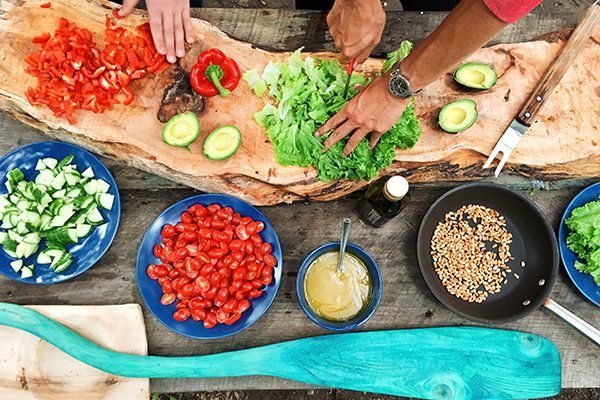
As science discovers new links between food and memory function, nutrition has become a promising force in the fight against age-related cognitive decline. The choices you make in supermarket aisles today could help you make easier trips down memory lane when you’re older.

Here’s some of the freshest research on baking better brain health right into your daily meal plan.

Weight gain and brain drain

Obesity could be a red flag for future cognitive decline. A 2020 British study discovered that people who are obese in middle age face a 31 per cent higher risk of dementia later in life. Analyzing their findings, the researchers theorized that being overweight may cause inflammation throughout the body, including the brain.

The U.K. team noted that three other conditions closely linked to obesity — heart disease, high blood pressure and type 2 diabetes — also occur more frequently in Alzheimer’s patients, with inflammation playing a harmful role in all four conditions.

Berry good news

Berries are chock-full of anthocyanins, powerful antioxidants that stimulate the hippocampus, a part of the brain that’s crucial for learning and memory.

In a Harvard experiment, older women who ate at least a half a cup of blueberries or one cup of strawberries per week had a rate of memory decline similar to women two-and-a-half years younger.

Nutty but true 

The idea that just one palmful of snack food per day can slow your brain’s aging process might sound nuts, but scientists say a quarter cup of walnuts per day meets your recommended daily quota for omega-3 fatty acids. These protect the brain from inflammation and aid neurotransmission.

The MIND diet

MIND stands for Mediterranean-DASH Diet Intervention for Neurodegenerative Delay. That’s a mouthful to say, but it’s based on evidence that the food we eat affects our cognitive performance in older age.

MIND combines aspects of two nutritional regimens:

  1. The Mediterranean diet — based on foods traditionally consumed in the Mediterranean region — proven to reduce heart disease 
  2. DASH — Dietary Approaches to Stop Hypertension — proven to lower high blood pressure

Since heart disease and hypertension both increase the risk of dementia, doctors believe MIND promotes brain health by incorporating common elements of the DASH and Mediterranean diets. 

Key MIND recommendations include:

  • Fish — one serving per week (rich in omega-3 fatty acids that reduce inflammation and promote brain function)
  • Poultry — two servings per week (high in choline, essential for memory and other cognitive functions)
  • Nuts — five servings per week 
  • Whole grains — three or more servings per day (high in folates, which boost memory and reduce inflammation)
  • Berries — at least two servings per week 
  • Leafy green vegetables — at least six servings per week (rich in folates and antioxidants like vitamin C)
  • Other vegetables — at least one serving per day
  • Beans — three servings per week (regulate glucose supply to the brain, and are high in folates)
  • Extra virgin olive oil (high in antioxidants)
  • Wine — one glass per day (red wine in particular can improve cognitive performance)

… and limiting the intake of: 

  • Red meat (increases inflammation in the body)
  • Butter, cheese and other dairy that’s high in saturated fats (these can raise your risk of heart disease and dementia)
  • Pastries, candy and sugary drinks including juice (by boosting blood sugar levels, they increase diabetes and dementia risk)
  • Processed and deep-fried foods (high carbs and fatty oils promote inflammation, high cholesterol and diabetes; all increase dementia risk)

Adhering to the MIND diet delayed cognitive decline by five years in one study and lowered the risk of Alzheimer’s disease by 53 per cent.

Hungry for more?

That’s a lot of information to digest, but don’t bite off more than you can chew. Make small, gradual adjustments over time. Remember that brain-healthy food requires no prescription, is readily available, can be tailored to your budget and can be immensely enjoyable, especially when shared in a meal with others.

If you’re looking for some inspiration in the kitchen, check out our upcoming classes, including Food for Thought.


READ MORE
28 Jun
Mental HealthBy admin0 Comments

How mindfulness can help seniors improve body and mind

If you regularly took MRI scans of a Buddhist monk’s brain for 15 years, what would you find? 

Scientists at the University of Wisconsin-Madison did exactly that. They also scanned 150 other people’s brains during the same period. When they compared the grey matter on all the MRIs, the monk’s stood out: his brain appeared eight years younger than his actual age!

But why? The researchers believe the monk’s practice of meditating — more than 60,000 hours throughout his life — slowed the aging process in his brain.

It’s an intriguing finding that suggests there’s a powerful tool to help seniors improve their well-being: mindfulness.

What is mindfulness?

Meditation is just one way to practise mindfulness. According to the Canadian Mental Health Association, “mindfulness is simply an invitation to step out of the clutter and really focus on what we are doing, thinking and feeling in this moment.” Key elements of mindfulness are: 

  • Focusing on the present vs. the past or future
  • Paying attention to internal elements (e.g. our thoughts, feelings, breath and bodily sensations)
  • Listening to external stimulants (e.g. sights, sounds and sensations in our environment) without distraction, resistance or judgment

Following these practices can help people feel less worry and regret. It can also help them get in touch with their emotions, body and physical surroundings, appreciate what they have and accept or come to terms with difficulties beyond their control.

Mindfulness for a positive mental and emotional state

Think about how useful those things could be during this pandemic! 

Science suggests mindfulness could be particularly beneficial for the group at highest risk during the pandemic: seniors.

For example, one pre-pandemic experiment showed mindfulness helped seniors aged 60 to 91 maintain a more positive mental and emotional state than people aged 25 to 35. Further research has indicated mindfulness can aid seniors with digestion, stress, depression, memory and cognitive function.

Here’s more on how meditation and two other popular mindfulness activities, tai chi and yoga, can improve the lives of older adults.

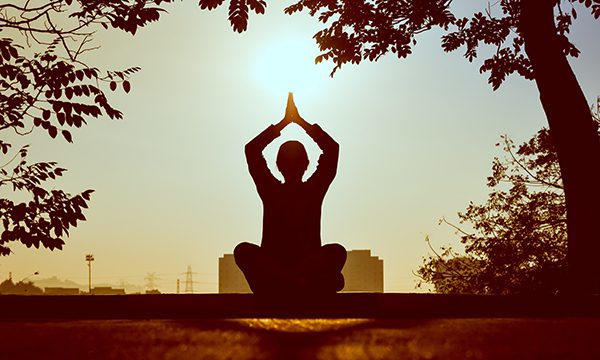
Meditation 

Meditation is the act of filtering out distractions to focus your attention and calm your mind in a quiet, relaxed way. This sometimes involves: 

  • deep breathing
  • guidance (an instructor gently suggests images, postures or breathing techniques)
  • mantras (words or phrases repeated verbally or mentally) 

Some studies have found meditation even reduces inflammation in the body. Scientists say this data, coupled with the research on the monk’s brain, could hold promise for combatting neurological issues like Alzheimer’s disease.

Tai chi

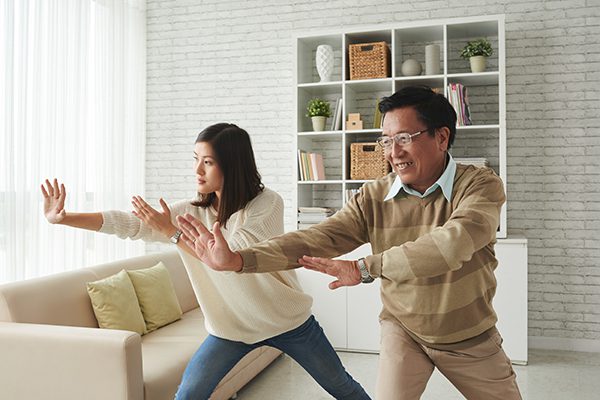
You’ve probably seen seniors in the park doing tai chi, a series of slow, graceful movements designed to improve balance and reduce stress. According to science, it works! 

Harvard University researchers say tai chi helps older adults maintain muscular strength, improve physical reaction time, sharpen mental focus and shift attention between tasks.

A 2017 study also found that seniors who did tai chi one to three times per week suffered 20 to 40 per cent fewer falls.

Yoga 

Like tai chi, yoga is a low-impact exercise that’s associated with improvements in the body as well as the mind. However, seniors should consider some important differences between the two activities.

Movements

  • Although you can practise yoga and tai chi while seated, tai chi is most commonly done standing.
  • Yoga can include lying down, bending, reaching, stretching and kneeling. Tai chi consists mainly of sweeping arm and leg motions while in an upright position.
  • Tai chi movements are constantly fluid. Yoga largely transitions from one static pose to another.

Suitability

  • Seniors experiencing trouble standing or moving down to the floor and back up again could find yoga challenging.
  • For seniors with severe arthritis, tai chi may be more manageable than yoga.

Benefits

  • Experts say yoga can reduce mental stress, strengthen muscles that support the back and ease pain in the back and other exoskeletal regions such as the neck.
  • Tai chi hones skills used to stay upright, including balance, leg strength, mental focus and awareness of bodily sensations.

To explore mindfulness, yoga and tai chi, seniors can check out The Bright Spot’s virtual classes in all three — absolutely free.

READ MORE
09 Apr
Senior couple sleeping together in bedroom
Healthy LivingMental HealthBy admin0 Comments

How a good night’s sleep can wake up your mind

We’ve all had those mornings…

You wake up from a terrible night’s sleep (or maybe no sleep at all) when it quickly descends upon you: brain fog.

For the rest of the day, you’re just not sharp. You can’t seem to focus. You uncharacteristically have to read or hear information repeatedly before you ‘get it.’ As the day wears on, you become cranky and short-tempered, too. This groggy scenario is a common one facing many Canadians. 

In particular, among people aged 55 and over

  • 40-70% of older adults have chronic sleep problems
  • 43 per cent of men and 55 per cent of women say they have trouble falling or staying asleep “sometimes or most of the time”

Did you know the side effects of poor sleep can last well beyond one groggy, grumpy morning? Cutting-edge science is pulling back the covers on inadequate sleep, linking it to cognitive impairment, mood disorders, dementia and even Alzheimer’s disease.

So set your alarm. It’s time we all wake up to the crucial role sleep plays in cognitive performance and overall brain health.

Brain gains

Sleep is a requirement for proper brain function. In fact, it’s essential for learning. New information we take in during the day gets replayed in the brain while we slumber, allowing the data to consolidate in our memory. 

The brain cycles through various stages of sleep each night. Stage two (also called slow-wave sleep) sharpens the motor skills we need to learn — critical for everyday actions such as how to type or play a musical instrument. 

Experts say insufficient sleep can hinder learning ability by up to 40 per cent. Studies have also correlated sleep deficiency with trouble concentrating and making decisions. No wonder it’s hard to choose between coffee or tea on those drowsy mornings!

Even the Bard knew about the moody blues

In Macbeth, Shakespeare described sleep as the “balm of hurt minds” that “knits up the ravell’d sleeve of care.” Almost 500 years later, modern science bears that out. When subjects in one experiment had their sleep capped at just four and a half hours per night for one week, they reported feelings of sadness, anger, stress and mental exhaustion.

During the REM stage of sleep, emotional memories are processed by the brain. Without enough REM sleep, it’s harder for us to cope with trauma or other difficult experiences.

In addition, sleep deprivation messes with connections between the prefrontal cortex and the parts of the brain that process emotion. That’s why we’re sometimes hypersensitive, overly emotional or irrational when we’re tired.

The Alzheimer’s link

Scientific discoveries are bolstering the theory that getting a good quality and amount of sleep could help keep dementia and Alzheimer’s disease at bay. Various studies have shown that when we’re asleep:

  • We produce less of a protein called beta-amyloid, which can form plaque found in the brains of Alzheimer’s patients
  • Small arteries in the brain dilate and increase intracranial blood flow, flushing away toxins like beta-amyloid and tau, another protein that forms tangles inside brain cells
  • The interstitial spaces between brain cells widen, lowering the chance that toxins will build up inside them

How to get a good night’s sleep

If restful, consistent shut-eye always seems like an unattainable dream to you, let your doctor or healthcare professional know about it. A simple questionnaire can let you know if you have deeper issues such as obstructive sleep apnea or if changes to your diet or activities can improve your overall sleep. You can also check out some of the meditation and health-focused classes on the Bright Spot to improve your mindfulness and activity levels. One morning, after getting the help you need, your brain will be well-rested enough to thank you for it!

READ MORE
12 Mar
Mental HealthBy admin0 Comments

7 hacks to beat stress

At the YMCA of Greater Toronto, we respect and admire the expert advice provided by our partner health charities. That’s why we’re excited to bring you even more great reading material from the team at the Heart and Stroke Foundation of Canada (Heart and Stroke). In this article, you get practical advice on how to manage your stress from Dr. Scott Lear.

Stress. It’s a part of everyone’s life. It doesn’t matter if you’re young or old, at work or retired, we all experience it.

While we typically have a negative notion about stress, it’s not all bad. Stress pushes us to perform, whether physically or mentally. Exercise is a form of physical stress, working your body to make it stronger. And without the stress of deadlines, it can be hard to get things done.

While a little bit of stress can boost your performance, too much can impair it. For some types of stress such as work deadlines, the stress is temporary and usually disappears once you’ve met your deadlines. But continual or chronic stress can increase your risk for diabetes, heart disease, cancer and even early death.

Fight or flight

Your body responds to stress by revving up. It reacts with a boost of adrenaline that pumps your heart faster and makes you breathe quicker. In days of old, this physical response was helpful when often, the best response to stress was either fight or flight.

Nowadays, you can’t really run away from stress in your daily life, and physically fighting your way through daily stress isn’t healthy.  So, you’re left to wait out your stressors without a release. It’s this lack of release that creates the kind of stress that can negatively affect your health. But there are many things you can do to reduce stress and prevent the negative impacts on your health.

How to manage your stress

Get a good night’s sleep

Ever wake up after a restless sleep? It seems like nothing can go right that day. But a good night’s sleep can make you feel invincible. When tired, your adrenaline increases and makes you more susceptible to stress. Getting enough sleep is important to your performance and will make common stressors more manageable.

Exercise

Physical activity delivers a host of benefits for your mental well-being. When it comes to stress, exercise helps make use of the adrenaline that circulates through your body. In addition, the release of serotonin and endorphins that occurs with exercise can make you feel even better. Doing an activity that boosts your heart rate is great, but even a low-intensity activity like a leisurely walk can help relieve stress.

Meditate

Meditation’s popularity has increased over the years as people look to it to not only reduce stress but to improve focus and performance too. Meditation trains you to clear your mind of thoughts from the past and worries of the future –­­­ it encourages you to focus on the present. This may include focusing on your breathing. Meditation can bring clarity to your thinking and reduce stress. Join us for a mindfulness meditation class every week, and start working toward achieving inner peace.

Take control

Stress often comes from a sense of a lack of control and a feeling of helplessness. Trying to find a way to exert some control over a particular situation can be helpful, but it’s not always possible. You may not have control over the most recent stressors associated with COVID-19, for instance. In such cases, you may look to other aspects in your life that you can control. Doing so can give you confidence that you are able to manage life’s challenges and keep a positive outlook.

Smile and laugh

Laughing feels good because it releases endorphins, just like exercise does. Laughter has also been shown to reduce anxiety. Smiling can help too. Even a forced smile can result in more positive feelings when completing a stressful task compared to not smiling.

Socialize (virtually for now)

Spending time connecting with others and sharing mutual experiences brings a sense of comfort to help you cope when things go wrong. Spending time with people (even virtually) can make you happier and even hearing a familiar voice can lead to releases of oxytocin (the feel-good “love” hormone). Choose from a variety of online ways to connect to new people through the Bright Spot activities page.

Start a journal

For some, a journal is a “worry book”; a place to write about all of the things that concern you. Many take time to journal before bed, dumping worries from their minds onto the page and setting up for a better night’s sleep. You may find that writing out your concerns can make them seem less significant. And it’s better than bottling up negative feelings inside.

On the other hand, writing about a few things that you enjoyed or are thankful for today can be helpful too. A daily gratitude practice keep you focusing on the positive aspects of your life. No matter how bad a day seems, you’ll likely find that you can find some good in it.

All these stress hacks have something in common: They remove you from your stressors and your thoughts of stress. Bringing all, or just some, of these stress-relieving practices into your daily life can help prevent stress buildup and make life’s challenges seem less difficult to overcome.


READ MORE
24 Nov
Mental HealthBy Zoja Popovic0 Comments

A researcher’s advice on managing stress

Here at The YMCA of Greater Toronto, we respect and admire the expert advice provided by our partners at The Heart and Stroke Foundation of Canada. That’s why we’re excited to bring you even more great reading material written by the team at this other health-focused charity! In this next piece, we hear from experts who work directly with stress to find out the best ways to manage it.

Handling it well can reduce your risk of heart disease and stroke

It’s no secret that stress can damage your heart health. Sudden stress increases your short-term risk of a heart attack; when it’s prolonged, it can raise your blood pressure and cholesterol levels — both risk factors for heart disease and stroke.

Dr Norbert Schmitz, a professor at McGill University whose research has been funded by Heart & Stroke donors, oversees a laboratory focusing on mental health and psychiatric epidemiology (the study of mental and behavioural disorders across populations).

He says stress is the response you feel when a situation or demands become too much to handle.

When stress is acute — say, you’re being chased by a bear — you experience a cascade of hormones that prepare your body for a fight or flight response. Your heart rate and blood pressure increase; you’re more alert and more aware of your surroundings; you might start to sweat.

Two sides of stress

This stress response helps you survive, says Dr Sonya Deschênes, a postdoctoral fellow in Dr Schmitz’s lab. “You’re able to mobilize energy and react appropriately in situations that could be dangerous.”

After the threat is gone, however, your body needs to return to its balanced state. Over time, as you go through acute stress repeatedly, your body does not fully recover, Dr Deschênes says.

The result can be chronic stress, as your body stays in a heightened state of physiological functioning.

Dr. Schmitz says managing stress is an important way to reduce your risk for heart disease and stroke. You can’t avoid all stressful situations, but you can start by identifying the factors that are stressing you out and finding ways to address them.

Sleep is key

Sleep is one of the most important factors in determining how stress affects you.

“It recharges you and equips you to better handle situations,” says Dr Deschênes.

Drs. Deschênes and Schmitz currently research the relationship between poor sleep and mental health, and how they influence heart disease.

“Poor sleep is linked to conditions such as diabetes or depression,” says Dr Schmitz. It also plays a role in heart and brain health.

To help you get the right amount of sleep, try setting a sleep schedule, ensuring your bedroom is dark and quiet, and finding ways to relax your mind, such as a bedtime ritual or meditation.

The power of movement

Getting physical is one of the best ways to manage stress levels. Exercise, even in your living room, will improve your mental health and tire you out in a healthy way, which in turn can improve your ability to sleep and recharge. Try scheduling in three Bright Spot activities every week to ensure you’re getting enough movement.

Dr Deschênes finds it refreshing to break away from your daily routines occasionally for a 20-minute walk. “Getting some sunshine and exercise really helps me refocus.”

Avoid quick fixes

“A stressed-out person may try to cope by smoking or consuming alcohol,” says Dr Schmitz. Heavy drinking and binge drinking can raise your risk of high blood pressure, heart disease, and stroke; the same is true of smoking.

“We know these are mechanisms that aren’t good for our health,” Dr Schmitz adds. “Just be aware and try to manage them.”

Think about what you eat

If stress typically makes you reach for chocolate or french fries, you’re actually probably making yourself feel worse than better. Plus, overeating can lead to extra pounds as well as increased cholesterol levels and blood pressure.

Eating a healthy diet made up mostly of whole or natural foods like fruits and vegetables, whole grains, and proteins will promote mental and physical well-being.

Share your feelings

Call on members of your support network. Though it may feel difficult to open up about what’s stressing you, talking to family, friends, or coworkers can help you feel better. You will realize you’re not coping alone.

READ MORE
22 Oct
Mental HealthBy Zoja Popovic0 Comments

5 simple steps to de-stress from a YMCA yoga instructor

Emilie started her journey at the YMCA as a volunteer, and eventually became a valued member of our staff team. Usually, she brings her wisdom on how to unwind to our yoga classes, but we figured everyone could do with a little peace of mind at a time like this. Here’s a simple exercise you can do at home to help you stay calm and protect your mental health.

Even under usual circumstances, I think it’s harder than ever to unplug. We’re constantly being harassed by our own technology; as never-ending notifications remind us of our never-ending to-do lists. Right now, those notifications mostly consist of updates that can feel scary and stressful.

If that sounds like you, I’ve got a simple solution that will bring your stress level way down. Imagine being able to genuinely switch off and feel at home in your body. Imagine getting a break from the constant flood of updates and relishing a mindful moment of peace and quiet.

Sounds amazing, right? Well, you have the power to make all of that a reality. Yoga is a great way to connect the mind and body. It can help reduce feelings of stress, anxiety, and depression (and it gives your eyeballs a break from all of those screens we stare at all day). It’s like an elixir for your mental health. And it doesn’t have to be complicated. Here’s an easy breathing exercise I like to do to help me disconnect:

1.Place your feet hip-distance apart, and root them into the ground.

2. Stand tall and broad across your chest, with the crown of your head reaching towards the ceiling.

3. Close your eyes and float one hand up to your heart, and the other to your lower belly.

4.Keeping your eyes closed, take 10 deep “belly breaths,” feeling your hands move as your ribcage expands and contracts.

5. Take in all the sounds, feelings, temperatures, and other sensations around you. Acknowledge these sensations as they come to pass in your mind, and then return your focus to your breath. Let go of any nagging thoughts about your body or what you think it should look like.

We wish you and your family safety and good health during what we know is a difficult time. Please take care of yourselves, follow the precautions outlined by public health authorities, and check in on The Bright Spot activities page for a variety of safe, at-home activities that will keep you physically fit and socially connected.

READ MORE
25 Sep
Mental HealthBy Zoja Popovic0 Comments

3 ways to brighten your day on National Seniors Day

October first is National Seniors Day in Canada — a day to celebrate seniors and all the wonderful things you bring to the world. We asked Sam Casmey, YMCA Manager of Adult Programs and The Bright Spot Program Coordination, for suggestions on how to mark this special occasion!

Here are three ways you can shine a light on National Seniors Day:

1. Reconnect with a friend or relative

This unique year has crystalized the importance of connection. Relationships are the foundation of our well-being and the scaffolding that supports society. So pick up that phone or get on a Zoom call and chat about old times, or see what’s new with the people you love. Investing intentionally in people who support you — even for just a few minutes — will help keep your relationships strong.

2. Perform a random act of kindness

We know our Bright Spot community is full of talented, inspiring people. Using those talents to benefit others has a ripple effect that lifts our whole community. No matter how small the gesture, you can have a big impact. Get creative! Offer to get groceries for someone who might find it challenging, walk your friend’s dog, or volunteer for a charity. (Stay tuned to hear about opportunities to volunteer with The Bright Spot, coming soon! Yes, we are a charity)

3. Find a new passion

Or at least experiment with a potential one. Join an online club, sign up for a virtual course, or take up a new hobby — all options you can pursue through our online activities. Nourish your spirit and expand your capacity for growth by challenging yourself to try something new.

This National Seniors Day, take some time to appreciate the contributions you have made, continue to make today, and have the potential to make in your future. Celebrate yourself and your peers, and allow yourself to be celebrated. You deserve it!

READ MORE
17 Sep
Mental HealthBy Zoja Popovic0 Comments

A yogi’s guide to cultivating inner peace, even in the most stressful times

Our regular everyday lives are stressful enough, never mind this “new normal” we’re all struggling to cope with. As we forge ahead during this time of collective crisis, it’s more important than ever to take extra time to care for our mental health. Inner peace might sound like a lofty goal, but Jennifer Hogan, one of our resident yoga experts, says we all have the potential for peace inside of us; we just need to tap into it. Here are the top four ways to get started, all from the comfort and safety of your home.

I believe anyone can attain inner peace, but it’s not a one-off goal. You can’t just accomplish it and then check it off the list. It’s an ongoing practice that we’re always nurturing and growing. Yoga, meditation, and mindful movement can help you find and maintain yours.

1. Finding balance

Yoga is all about balance. In classes like the ones we’re offering on The Bright Spot, you’ll find plenty of movements that balance out your body: forward and backward postures, seated and standing postures, expanding and contracting your lungs, and more. In much the same way, yoga helps bring balance to our minds. Bringing your focus inward and finding physical equilibrium helps our mind start to search for a similar ebb and flow. Consistent yoga practice can make that peaceful feeling last, even when you’re off the mat.

2. Acceptance and awareness

Yoga can be very humbling. One philosophy behind this ancient practice is that you should begin where you are. You become aware of your limitations and agree to work within your capabilities. Honest acceptance of where you are today helps wash away those nagging feelings of guilt or inadequacy. How peaceful does that sound?

3. Compassion and empathy

All of that acceptance is part of self-love. As you become kinder to yourself, you’ll find it easier to turn that kindness outward and empathize with others. You’ll start to recognize that everyone has their struggles, just like you. This ability to see yourself in others helps you interact more peacefully with them. It doesn’t mean you’ll never feel frustrated again, but maybe it will happen less often and without the accompanying anger and stress.

4. Becoming present

When you practice yoga, you learn how to slow down and experience life in the present. Most worries are based on memories of the past, or (perhaps especially these days) thoughts of the future. If you can bring yourself back to the present, you can get rid of these “what if?” ideas that weigh you down. Life isn’t going to be perfect, and we’re all dealing with a lot of uncertainty about what our future holds right now, but living in the present is much more peaceful than ruminating on the past or constantly wondering about the future.

During this stressful time, do your best to carve out a few moments to cultivate inner peace in your life. Check out our soothing Yoga or Tai Chi classes to start building feelings of presence and peace today.

READ MORE
26 Aug
Mental HealthBy Zoja Popovic0 Comments

An easy activity to help you protect your mental health and find your inner peace

Every one of us has a responsibility to protect ourselves and our communities by practicing physical distancing. It’s a crucial precaution, but we know it can also feel tough sometimes — as can the ongoing updates we’re all hearing in the news.

To stay strong and positive, we all need to protect our mental health. Our YMCA Camps team has some experience that could help you through this challenging time. Try the super-simple, soothing activity they usually do during out-trips: soloing.

What’s soloing?

Soloing is a great way to practice mindfulness (and physical distancing). Basically, you work on turning your focus inwards and concentrating on your own state of mind, while in the presence of others. It’s sort of like a group meditation! Each of you simply sit, soak in your surroundings, and contemplate whatever comes to mind. It can be as long or as short as you’d like.

If you’re fortunate enough to have your own backyard, or live near a low-traffic green space, you and the members of your household can head outside to make your soloing expedition feel more like an authentic camp experience. But you can solo just fine from your living room, or, if you’re home alone, even with friends and family over FaceTime.

Here’s how to get started:

  • Nominate someone to facilitate the exercise. The facilitator should walk your group through the rest of these steps, below, but they can participate as well.
  • If you’re outside, find a low-traffic place to set up. You want to make sure you won’t be interrupted by others walking by (and also make sure you’re keeping the recommended two metres apart from people who aren’t in your household!). If you’re inside with your family, roommate, or whoever else you’re staying home with, gather in a comfortable shared space and take a seat.
  • The facilitator should set the stage for your soloing session, reminding your group to focus your attention on the sounds, smells, sights, and other sensations around you. If you’d like, you can journal or draw while you solo to capture what you’re experiencing. You shouldn’t be interacting with the other group members at this point, or sharing your observations; the point is to turn your attention inward, even when you’re with others.
  • The facilitator decides how long the activity should last. Once it’s over, they can bring your group back into a circle for a little debrief, where you can discuss things like:
    • Where your mind wandered off to
    • Things you saw, heard, or felt
    • What the shared silence made you feel
    • How long you think you sat there for

Why soloing is special

The interesting thing about soloing is that it’s not very interesting, when you really think about it! You’re just sitting there, thinking. But during stressful times like these, it’s critical to take time for yourself, reflect quietly, be mindful, and live in the present moment. Soloing is exactly the type of activity we should all be participating in right now, to help us appreciate the everyday sensations, details, and feelings that we usually brush past.

READ MORE
26 Aug
Practicing Thai Chi
Mental HealthBy Zoja Popovic0 Comments

3 ways Tai Chi can improve your mental and physical health

Tai Chi has long been a favourite pastime for many people in Eastern Asia. Today, it’s spread worldwide and become a popular way to maintain physical and mental health. If you’ve never tried it, picture yourself moving through a series of smooth, flowing poses that relieve tension, increase your flexibility, and boost overall endurance. We asked Alex Lau, a YMCA of Greater Toronto Health Educator and Individual Conditioning Coach, to give us the low-down on all the ways you can benefit from Tai Chi. Based on his experience teaching and practicing, here are his top three takeaways:

1. Reduce stress and improve concentration
Research on meditation and mindfulness shows that stressful thoughts often stem from memories of the past or worries about the future. However, most of the time, our present reality does not involve any of these stressors. The goal of mindfulness practice is to bring yourself into the present moment and remember that everything is ok.

When you’re practicing Tai Chi, you smoothly move from one pose to the next, which helps focus all of your attention in the here and now! As you get more familiar with the movements, you will deepen your practice by focusing on your breath and the sensations you’re feeling, synchronizing your mind and body.

2. Support cardiovascular health

A brisk walk is often cited as the minimum intensity level needed to improve cardiovascular health. In a study published in the International Journal of Nursing Studies, researchers examined two groups of adults, each consisting of 80 adults with high blood pressure. One group engaged in brisk walking and the other group regularly practiced Tai Chi. After nine months, those who practiced Tai Chi had a significantly greater reduction in blood pressure and blood sugar than those who did the brisk walking. So if COVID-19 has kept you indoors and missing your regular walks, Tai Chi can be a great substitute to keep up your cardiovascular health!

3. Enhance your balance and coordination

Many older adults want to improve their balance and co-ordination and, in turn, reduce their risk of falling. Tai Chi is a fantastic way to train your body and brain to do just that. Try this quick exercise to see what I mean:

Start standing near a wall or a piece of furniture that you can use to support yourself, if necessary. Then, take one large step forward. It probably took you about two seconds. Next, repeat that step but slow way down so that it takes you about eight seconds to do the same movement. It takes more effort, in terms of strength and balance, right? Now imagine doing that for five minutes and you have a sense of the balance and coordination-building Tai Chi makes possible. Once you start practicing, you’ll find it helps with both static balance (i.e., standing on one leg) and dynamic balance (i.e., balancing while in motion).

How to get started with Tai Chi

We recommend that you start your Tai Chi journey with a knowledgeable instructor who can guide you through postures safely. Look out for our new Sign up for one of our Tai Chi classes on The Bright Spot today and begin your practice with one of our qualified experts, from the comfort of your own home.

READ MORE
  • 1
  • 2
  • 3
Categories
  • Fitness & Active Living16
  • Food & Nutrition7
  • Health4
  • Healthy Living17
  • Hobbies & Interests12
  • Lifestyle3
  • Mental Health25
  • Spotlight Stories13
Recent Posts
  • 5 ways to explore the Greater Toronto Area on a budget
    5 ways to explore the Greater Toronto Area on a budget
    April 6, 2023
  • Eating well and staying healthy on a budget
    Eating well and staying healthy on a budget
    December 7, 2022
  • 5 budget-friendly ways to stay fit and active
    5 budget-friendly ways to stay fit and active
    October 5, 2022
logotype

Follow the Y

Twitter Facebook Youtube Instagram Linkedin
Privacy Policy Terms & Condition
Donate Now

YMCA of Greater Toronto 2023. All rights reserved

Charitable registration number 11930 7080 RR0001