Donate
  • Home
  • Bright Ideas Blog
logotype
  • Home
  • Bright Ideas Blog
logotype
  • Home
  • Bright Ideas Blog
Author: Zoja Popovic
Home Zoja Popovic Page 2
24 Aug
Spotlight StoriesBy Zoja Popovic0 Comments

Connection to caring

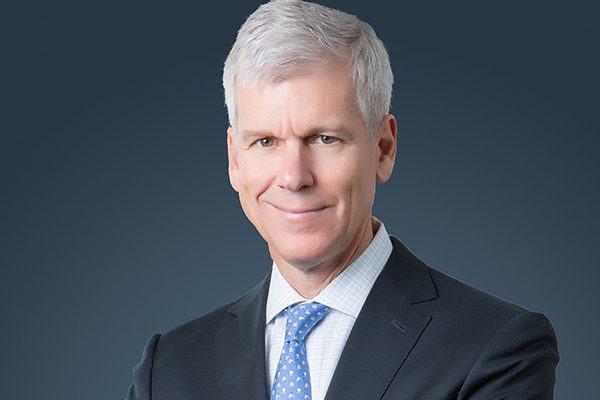
“No other organization has really focused on older adults during COVID-19 like the Y has—we’re glad we could help make an impact.” —Steven Ranson, President & CEO, HomeEquity Bank, the provider of the CHIP Reverse Mortgage, Donor, and Strong Start, Great Future Campaign Cabinet Member”

COVID has had a profound impact on many older adults across Canada, including in the greater Toronto area—a fact that Steven Ranson, President & CEO of HomeEquity Bank, and his team at the financial institution have taken to heart. As a bank that provides reverse mortgage solutions, HomeEquity Bank helps older Canadians stay in the homes they love and enjoy retirement. The average age of their clients is 78, so Steven and his team knew they had to act to ensure older adults weren’t isolated, lonely or in need during the COVID-19 lockdowns. That’s why they decided to launch ‘Operation Warm Hug’ at the onset of the pandemic. “Recognizing people were stuck at home, we started reaching out and asking how we could lend our support,” explains Steven. “Older adults are our client base, they’re the people we help daily, so we wanted to understand how they were doing and what their needs were.”

Collective acts of kindness come naturally to HomeEquity’s staff. Volunteering and giving back are a big part of the bank’s culture. “Along with supporting older adults, our staff volunteer in many different ways that are meaningful to the community,” says Steven. “For us, it’s all about connection, about reaching out to people, and letting them know we’re here.”

As a Y donor and volunteer on the Strong Start, Great Future Capital Campaign Cabinet for more than four years, Steven’s first Y story goes back to his childhood. Attending Boy Scout Camp as a teen, Steven and his fellow campers would be tasked with making meals. “You can imagine what the food was like,” he recalls. One day, because they weren’t far from a YMCA Summer Camp, Steven and his friends hiked over and showed up at the kitchen door at lunch. “The staff provided one of the best meals I’ve ever had, which was tremendous,” he laughs.

When the opportunity arose for the HomeEquity team to expand its efforts by partnering with our charity on a new online community for older adults, The Bright Spot, Steven understood the value. HomeEquity’s employees agreed, seeing it as a distinct way to help them continue to lend their support to older adults during COVID-19. By offering everything in a virtual and dynamic format —from exercise classes and small group chats to trivia nights and mindfulness tutorials — The Bright Spot is a place where older adults can shine.

“For us, The Bright Spot has been a really great response to what’s one of the most unique challenges of our lifetime,” explains Steven. “It’s borderless and fosters connection among older adults, helping them overcome boredom, loneliness and isolation,” he adds.  “No other organization has really focused on older adults during COVID-19 like the Y has—we’re glad we’re able to help make an impact.”
 

READ MORE
21 Aug
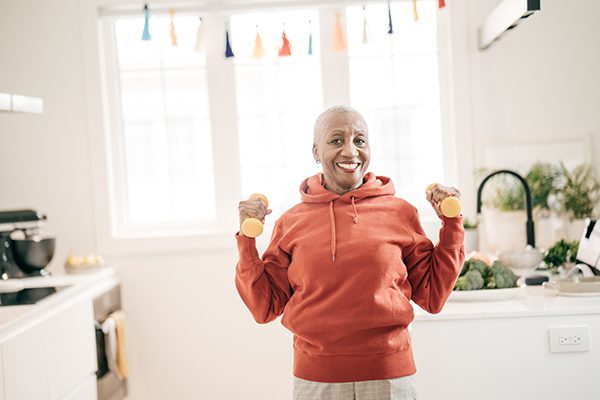
Senior women taking care of herself  she exercise with  dumbbells at home
Fitness & Active LivingBy Zoja Popovic0 Comments

3 ways you can start your fitness journey right now

The hardest thing about getting healthy is getting started, especially after several months of a COVID-19 induced break from the gym.

Whether you’re reading this at your desk, from your couch, on the bus, or anywhere else, here are three things you can do literally right now, this very moment, to get yourself on the path towards a healthier, happier lifestyle:

  1. Stretch out

Sitting at a desk — or sitting anywhere, really — is one of the worst things you can do to your body. Those of us with jobs that require us to sit for most of the day need to make an effort to counteract the negative effects. Right now, follow along with YMCA Health Educator Jessica as she takes you through an easy, four-minute-long stretch break designed to be done while sitting. Then, set an alarm to go off in one hour, and do another one.

  1. Schedule a workout

You might not be able to hit the gym right this second, but you can definitely get moving with the help of a variety of online fitness classes tailored specifically with you in mind. Browse The Bright Spot’s Activities page to select from a variety of classes like Yoga Gentle, BodyFit Chair, Functional Movement and so many more. And if you’re looking to book your time in the weight room, the Sweat For Good app can help you plan your week ahead. Putting a workout into your calendar will help make you feel committed to actually doing it when the time comes.

  1. Hide your treats

Research suggests you’re less tempted by snacks you can’t see. One study found that front-desk administrators who kept candy in clear containers snacked on it 71% more often than those with the same candy in opaque containers. Stuff your sugary sweets in your desk drawer, the back of your kitchen cupboards, or — if you’re feeling really ambitious — throw them out altogether and replace them with healthier alternatives.

Getting healthy is a long-term decision that requires lifestyle changes, not quick fixes. But that doesn’t mean healthy living is out of reach. In fact, people who take it one small step at a time are most likely to build sustainable habits that they stick to in the long run; those who try to do everything at once are more likely to get discouraged and give up. Trying any one of these three easy strategies today can put you on the right track for life.

READ MORE
28 Jul
Mental HealthBy Zoja Popovic0 Comments

Recognizing and handling stress

Here at The YMCA of Greater Toronto, we respect and admire the expert advice provided by our partners at The Heart and Stroke Foundation of Canada. That’s why we’re excited to bring you even more great reading material written by the team at this other health-focused charity! In this next piece, Heart and Stroke experts talk about managing stress.

Stress is a part of life for just about everyone. Sometimes it is not easy to recognize stress because we are caught up in the flow of life; at other times, it can be very obvious. Many of us are noticeably more stressed out due to COVID-19.

Often, stressors are things you cannot control, like major life events (a global pandemic, or the loss of a job) or conditions in your life (like not getting along with someone close to you). Your responses to these stressors are your stress reactions. Stress reactions vary from person to person. For example, if you hate your job, losing it can make you feel free. For someone else, losing a job may be terrible.

Although stress happens first in the mind, it has a strong impact on the body. Stress can even damage your heart health. Sudden intense stress increases the short-term risk of a heart attack. Too much stress over a long time (months to years) is called chronic stress and it has been linked to an increase in coronary artery disease.

Recognizing your stress reactions

Everyone has his or her own individual stress reactions. Think for a moment about when you are stressed out or upset. What happens to you?

Consider your thoughts:

  • Do you have trouble concentrating?
  • Do your thoughts race, or freeze up?
  • Do you start to think “the worst”?
  • Are you more likely to see yourself, your future or other people negatively?

What about your emotions:

  • Does stress lead you to have angry, anxious or sad feelings?

Check-in with your body:

  • How do you feel physically?
  • What happens to your breathing?
  • Are your muscles tighter?
  • Does that create pain anywhere, like headache, back or jaw pain?
  • What happens to your sleeping patterns?
  • How does your stomach feel?
  • Do you sweat, have dry mouth, diarrhea or constipation?
  • What happens to your heart rate?
  • If you measured your blood pressure, what would you see?

Behaviour and actions:

  • How do your habits and behaviours change?
  • Do you eat more or have more junk food and sugary drinks?
  • Do you stop exercising? Do you start smoking? Drink more alcohol, or use prescription or non-prescription drugs?
  • Do you become nervous or keep to yourself?

All these signs point to something real that you can feel: your mind and body are connected. Stress happens first in the mind, but has effects all through the body, including, of course, the heart and circulatory system.

How can I manage stress?

It may be possible to change or remove the stressor – for example, you may be able to change your job, your work schedule, or avoid difficult people or unpleasant situations.

But in many cases removing the stressor is not possible. In this situation, you need to change your stress reaction. Here are some strategies to help you:

Mental responses: You cannot control all parts of your life, but you can control your response to stress and keep a positive attitude. Identify your “thought habits” that can make stress worse (most of us have at least one). Here are a few examples:

  • Deciding right away that it is going to be really bad, without looking closely at the facts
  • Looking only at the bad parts and not seeing the good
  • Worrying about problems that are really not yours

Emotional responses: Figure out your emotional reactions to stress and talk about them.

Physical responses: Try deep breathing and relaxation exercises, like one of our online Yoga classes.

Behavioural responses: Decide what you can change about the stressor and then take action and do it. Keep up your healthy habits. Spend time with friends and family.

Try our activities page for online group fitness classes or social events. Or you can read more about ways to integrate mindfulness and meditation into your day. 

Thanks to our partners at the Heart and Stroke Foundation of Canada for their expert advice. Look out for more relevant information on our site, or visit theirs for more details.

READ MORE
10 Jul
Spotlight StoriesBy Zoja Popovic0 Comments

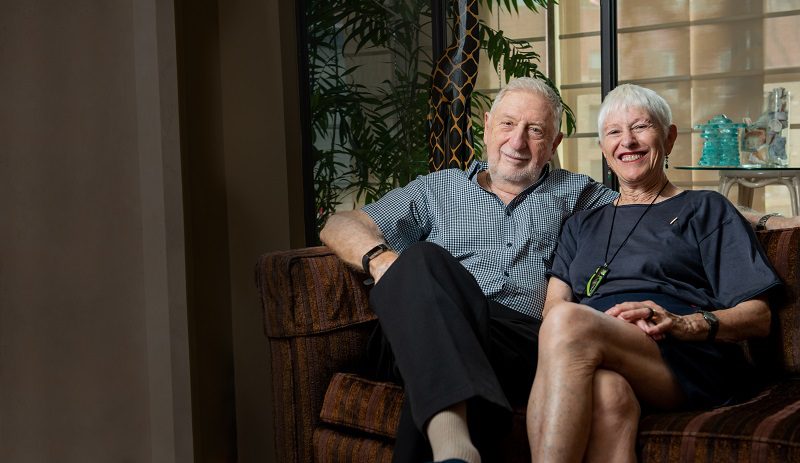
Lighting the way for young leaders: Diane and Stan Gasner’s philanthropic legacy

Written by Karolina Hordowick.

The great outdoors have always mattered to Diane and Stan Gasner. They raised their sons, Dan and Wayne, to appreciate the physical and mental well-being benefits that nature provides. When their son Dan was a teen, he attended YMCA Camp Beausoleil located on Georgian Bay. This first camp experience was especially transformative for Dan, and he thoroughly enjoyed his time there.

After Camp Beausoleil closed in 1980, campers were transferred to YMCA Camp Pine Crest. “Dan ultimately became a counsellor at Camp Pine Crest,” explains Diane. His favourite activity was canoeing. “Dan was a godsend, because he taught me the basic handling of canoeing.”

Sadly, in the summer of 1988, the Gasners experienced the unthinkable — they lost Dan in a car accident. To honour the memory of their beloved son, the couple established the Dan Gasner Memorial Endowment Fund, which provides an annual gift to help youth who otherwise would not be able to attend Camp Pine Crest experience all it offers.

“We have, for some time, donated to the YMCA, but Dan’s memorial fund was the beginning of our giving to Camp Pine Crest,” explains Stan. “We didn’t know Camp Pine Crest before Dan started going there, but after we lost him, our involvement deepened. Since then, we’ve visited often.”

With a background in engineering, Stan offered his expertise and insight to the redevelopment of Camp Pine Crest’s spaces as part of the 100-year anniversary. “With the renovations, I reviewed designs for several areas of the camp and its facilities,” he explains.

Today, Diane and Stan continue to give generously every year, ensuring campers have the opportunity to explore the great outdoors, discover new skills and abilities, make lifelong friends, and experience the thrill of water sports. The couple recently made a significant gift to establish The Gasner Family Fund, which initially provided funds to make Camp Pine Crest’s refreshed sailing program a reality. The program is now successfully underway. “We hope the sailing program initiates in campers a lifelong interest in getting out on the water,” says Stan. “Sailing will normally lead to racing, and provide many lifelong skills, including decision making, teamwork, leadership, strategic thinking, and confidence.”

Thanks to the Gasners, more campers will have opportunities to develop these skills that will stay with them for life. “It feels great knowing that our gift will emphasize adventure, nature, and all the skills and abilities that come with sailing,” says Stan. “I remember how much our son Dan loved getting out on the water, and I love that other young people will have opportunities to do the same,” adds Diane.

READ MORE
08 Jul
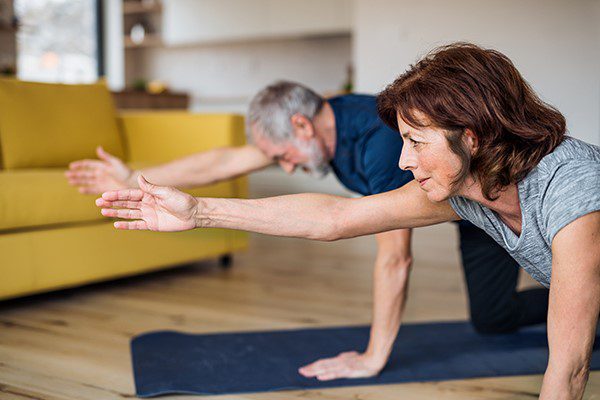
man doing a side plank exercise at living room.
Fitness & Active LivingBy Zoja Popovic0 Comments

4 techniques to soothe sore muscles

Morning-after aches can be a good thing — they’re often proof you got a good workout the day before. Still, they can be pretty uncomfortable, especially if you tried a brand-new exercise for the first time, or upped your reps. Here are four ways to alleviate that day-after soreness, so you can feel ready for one of our online classes again tomorrow:

1. Take a warm bath with Epsom salts
You can pick up a box of these inexpensive tension alleviators at your local pharmacy or supermarket. Add 1–2 cups to your evening bath while the water is still running, then soak the achy joint in question (or your whole body) for at least 15 minutes. The warm water will improve blood flow to your sore spots, helping loosen them up. This is our favourite option because it’s pain-free and ultra-relaxing.

2. Try a self-massage and grab some tools for hard-to-reach areas like your back
Just like a warm bath, a light massage will facilitate circulation throughout your body. That means more oxygen and nutrients are coming to the aid of your sore muscles, helping to repair them. Self-massage can be especially effective since you know exactly where you’re aching. Start gentle and gradually begin rubbing your muscles more deeply as they relax. Try adding a tennis ball into the mix for hard-to-reach spots. If your back is feeling sore, place the tennis ball on the muscle you’d like to target and lean against a wall with the ball placed between you and the wall. Find the sore spot with the ball and pause there, applying gentle pressure as you breathe and allow a release to happen. Be careful not to roll the ball over any bony areas or joints; that means you should avoid your spine completely.

3. Walk it off
Take a slow, gentle walk around the block. This isn’t your cardio time, so don’t make it a power walk that could tighten you up even more. Instead, stroll slowly while you focus on your breathing to enhance your circulation and help your muscles get the oxygen they need to recover. You can also pair up with a neighbor or friend for a physical distance walk; some light conversation guarantees that you’ll keep breathing, and will distract you from your aches.

4. Apply heat (not ice!)
In case you haven’t noticed, warm baths, massages, and long walks all have one thing in common: they promote blood flow through your aching muscles, helping them to repair themselves after the tough workout that broke them down. Ice, on the other hand, merely numbs your pain while actually hindering that healing Namely, ice constricts your blood vessels, preventing oxygen and nutrients from getting to achy muscles, and can actually make you more stiff. Try using a heating pad instead.

One important note: if your soreness lasts longer than a few days, consult your doc, physiotherapist, or personal trainer to confirm you haven’t injured yourself. Muscle soreness is a completely normal part of working out and getting stronger, but injuries are not. You can tell if something more serious is going on if you’re feeling sharper, intense pain, and if it gets worse instead of better over the next several days. Healthy and normal soreness will also be muscular, whereas an injury might involve joint pain.

Remember, it’s okay to take a day off — in fact, if you strength train every day, you’ll actually stunt your own progress. Instead, use your days in between workouts to try a bath, massage, or walk that will leave your muscles feeling repaired and ready to go when it’s time for your next session.

READ MORE
06 Jul
sad senior asian man talking on cellphone
Mental HealthBy Zoja Popovic0 Comments

Here’s how stress impacts your health — and how to manage it

Here at The YMCA of Greater Toronto, we respect and admire the expert advice provided by our partners at The Heart and Stroke Foundation of Canada. That’s why we’re excited to bring you even more great reading material written by their team! In this next piece, Heart and Stroke breaks down how stress can impact our health and what we can do to manage the “bad” stress in our lives.

What is stress?

Stress is the body’s response to a real or perceived threat. That response — which can include a racing heart, tense muscles, and sweating — is meant to get you ready to act and get out of harm’s way. Stress can be helpful, but too much stress can harm your health and increase your risk of heart disease and stroke.

There is “good” stress and “bad” stress. Good stress can be managed. It can stimulate you to get things done. You can handle good stress.

But “bad” stress, which can last for hours, days, weeks, or more, can be dangerous to your health. Bad stress feels different than good stress. It can make you break out in a cold sweat, make your heartbeat furiously, scare you, and make you feel sick.

Your perceptions, thoughts, and actions can make a big difference in turning bad stress into good stress. By understanding your personality and your reactions to stressful situations, you can learn to cope better.

How does stress affect the risk of heart disease and stroke?

There are undeniable links between heart disease, stroke, and stress.

Stress can cause the heart to work harder, increase blood pressure, and increase sugar and fat levels in the blood. These things, in turn, can increase the risk of clots forming and travelling to the heart or brain, causing a heart attack or stroke.

If you feel stressed, it can be hard to lead a healthy lifestyle. Instead of using exercise to relieve stress, you might overeat, eat unhealthy foods, drink too much alcohol, or smoke. These behaviours, in turn, can increase your risk of developing heart disease and stroke.

Responding to stress with anger can also make matters worse. Anger increases your heart rate and your blood pressure, putting you at risk of a heart attack. People who are prone to anger are also more likely to turn to unhealthy behaviours.

Having a serious health event — like a heart attack, stroke, or being diagnosed with an illness — can also be stressful. And that stress can slow down the recovery process or even create health problems that weren’t there before.

Understanding stress

To deal with your stress, you need to recognize when you feel stress and how it affects you. Examine the causes of your stress, your thoughts, how you feel, and how you respond.

What is a stressor?

Stress-provoking situations are called stressors. They are all around us, almost all the time.

Stressors can be major life events such as losing a loved one, changing or losing a job, moving, divorce, and most recently, a major stressor we are all experiencing: a pandemic.

Stressors can also be routine events, like traffic jams, work pressures, or family responsibilities.

And they can be ongoing pressures: not being able to afford food, not being able to find a job, or not being able to secure affordable housing.

If you can identify your stressors, you can start to learn how to deal with them.

The stress response

Here’s how your body reacts to stress.

Stage 1: Mobilization of energy

Your body reacts to a sudden, frightening stressor such as narrowly avoiding a car accident. This is called primary stress.

Or, you can deliberately enter a stressful situation, such as going for a job interview. This is secondary stress.

In both cases, you may feel the following symptoms:

  • your heart rate increases
  • you breathe rapidly, in short gasps
  • you experience a cold sweat
  • you have butterflies in your stomach. Maybe you have indigestion or no appetite at all
  • you feel dizzy or lightheaded

Stage 2: Consumption energy

If you don’t recover from Stage 1, your body will begin to release stored sugars and fats, consuming vital resources. As a result, you may:

  • feel driven and under pressure
  • become exhausted to the point of fatigue
  • overeat or have a poor diet
  • experience anxiety or tension
  • have difficulty concentrating
  • suffer illnesses, such as colds and flu
  • increase unhealthy behaviours

Stage 3: Exhaustion

If your stress doesn’t go away, it can become chronic. Your body will need more energy than it can produce, and you could develop a serious illness, such as:

  • heart disease
  • stroke
  • high blood pressure
  • mental illness

Or, you may experience symptoms such as:

  • insomnia (difficulty sleeping)
  • errors in judgement
  • personality changes

There are many great tools for managing stress right here on The Bright Spot.

Try our activities page for online group fitness classes or social events. Or you can read more about ways to integrate mindfulness and meditation into your day.

Thanks to our partners at the Heart and Stroke Foundation of Canada for their expert advice. Look out for more relevant information on our site, or visit theirs for more details.

READ MORE
03 Jul
Spotlight StoriesBy Zoja Popovic0 Comments

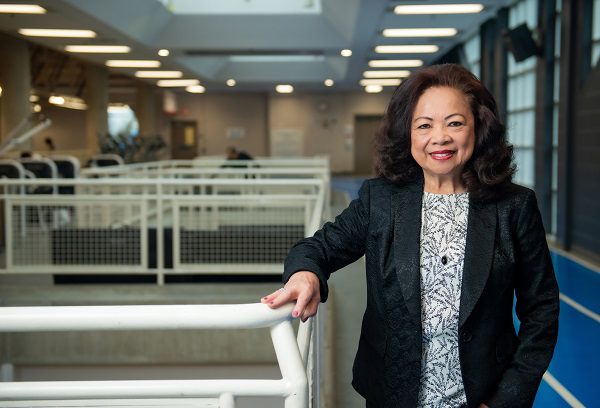
YMCA member Rose Arciaga believes everyone should have access to the health benefits offered at the Y

There’s no slowing down Rose Arciaga. Moving to Canada from the Philippines almost five decades ago, she’s always found ways to stay healthy and fit, staving off the diabetic and heart conditions impacting many of her siblings. “Being active gives me such a sense of accomplishment. It’s the best!” she says.

In 2005, Rose’s daughter introduced her and her husband, Robert, to the Scarborough Centre YMCA. “It was definitely the best change in our lifestyle since retirement,” Rose says. She was instantly hooked and, before we temporarily closed our doors to help slow the spread of COVID-19, she would visit five days a week. “The Y is my home away from home,” she explains. For Rose, it’s about more than maintaining physical health. It’s about reducing isolation, getting social, and making meaningful connections.

“When I wake up every morning, I feel like I have purpose. It’s so much better than just sitting at home, in front of the TV, doing nothing,” explains Rose. Robert also joins in often.

Between her favourite Y classes, now available online, Rose has gotten to know many other older adults. “It’s very social and fun. Everyone gets along — we’re like a big family here.”

Getting social is a big part of Rose’s overall health and well-being, she explains. “We exchange pleasantries, chat, and build friendships. We have luncheons, celebrate various occasions, and share our stories. It’s so great to be a part of it.”

Rose believes everyone in her community — not only the growing number of older adults, but also young children, teens, and families — should have access to the same opportunities for physical and social well-being she enjoys at the Y. That’s why she gives, every month. “A gift to the Y, no matter how big or how small, matters. I know mine matters,” says Rose. In fact, she recently doubled her donation in support of others in her community.

“It feels good to know I’m helping provide financial assistance to older adults who cannot afford it, to children, youth, and families too,” she says. “I want everyone to be able to come here.”

While we may not be able to use our Health and Fitness centres at the moment, many older adults like Rose are finding the same inspiring classes and community connections they know and love on The Bright Spot. Browse our Activities page to try some of Rose’s favourite classes from your own home for free! We look forward to seeing Rose and all of our other members again in person, but until then, we have The Bright Spot to help us keep connected.


READ MORE
01 Jul
Spotlight StoriesBy Zoja Popovic0 Comments

Diving back in: How Lea regained her confidence in the pool after a stroke

We are so looking forward to a time when we will all be able to get back in the pool again! Until then, here’s a story from YMCA member Lea, who has a long and special history with our Scarborough centre and its team members.

Here is her story, written by Karolina Hordowick.

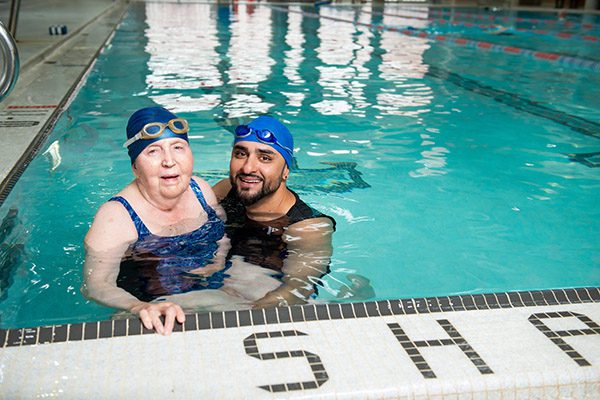
Lea, 80, has been swimming laps at the Scarborough Centre YMCA for more than 25 years. This former competitive swim coach passed her love of the water on to her two grandchildren, both of whom took swim lessons at this same Y.

In 2013, Lea’s world changed forever when she experienced a debilitating stroke. Losing significant physical capacity in the left side of her body forced her to take a year off to recover. She then faced a monumental task: learning to swim all over again.

The combination of her own perseverance, the Y community that rallied around her, and support from Y staff Bev Stephenson and Narayan Persaud, helped Lea dive back into her passion. “When I returned to the Y, everyone welcomed me back — it was like coming home,” Lea recalls. From keeping her safe in the water to helping her with strengthening exercises afterwards, Narayan has been there for Lea every stroke of the way. “We’ve built a relationship that feels like a family,” he says. Having known him for 17 years, since the start of his YMCA career, Lea adds: “Thanks to Narayan, I feel supported. I feel like I’m not alone.”

Pre-COVID-19, Lea would get in her laps with Narayan by her side — even on tough days. “I’ve said a few times, ‘I’m not getting in,’ but Narayan just says, ‘What would your former swim club think?’” laughs Lea. With patience and practice, she’s learned how to glide through the water with freedom and grace once again — and the Y volunteers, staff, and members who’ve witnessed Lea’s incredible journey couldn’t be more proud.

READ MORE
26 Jun
Spotlight StoriesBy Zoja Popovic0 Comments

Spotlighting philanthropists in our community: Lawson-Hamm family’s multigenerational giving nurtures the next generation of trailblazers

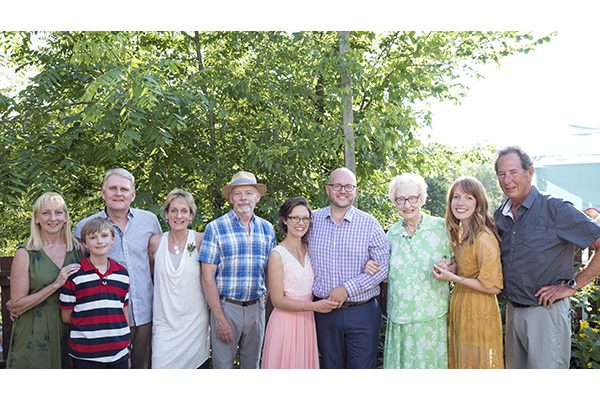
Jean Hamm dedicated her life to giving back. Her children and grandchildren are now acting on her incredible legacy (Pictured in spring 2019. From left to right: Shirley Hamm, Bill Robertson, John Robertson, Barb Mason, Don Mason, Emily Brennan, Chris Mason, Jean Hamm, Kate Mason, James Hamm).

Written by Karolina Hordowick.

The first chapter of one of Canada’s most remarkable philanthropic stories starts at World War II’s end. It was then that a young Frank Lawson (1891–1984) saw an opportunity to make a difference in the lives of young people. Career Counselling was a relatively new idea at the time, and Frank was immensely inspired by the work of its founding father, Dr. Gerald P. Cosgrave. Following his footsteps, Frank volunteered as Chairman of YMCA’s Counselling Service in its second year.

Through his drive and personal philanthropy, he began to promote its importance and champion the establishment of career centres at several universities. Frank established The Counselling Foundation of Canada in 1959.

Today, standing behind the Foundation are the Lawson and Hamm families, with four generations dedicated to helping people live purposeful, productive lives. They’ve long supported the YMCA  of Greater Toronto and have spent decades giving back, in various roles, through the Foundation and other charities.

When he passed, Frank left the bulk of his estate to The Counselling Foundation of Canada, ensuring his family’s capacity to fund transformative change across the nation. “There’s no question we inherited a formidable legacy from my father,” says Donald Lawson. Donald went on to provide exemplary leadership and counsel as Chair of the YMCA of Greater Toronto’s Board in 1968. He set our YMCA on the course to become a sustainable and impactful charity. “It took me a long time to realize that the genius of the YMCA was the influence of one person on another,” he explains. “Those experiences were a really important part of my own development.” Donald’s legacy of civic responsibility has been personally rewarding. “I’ve had three careers: one in business, one in philanthropy, one in volunteerism,” he says.

Donald’s sister, the late Jean Hamm (1923–2018), was also a visionary philanthropist, who acted as Director and Vice-Chair of the Foundation. “Like her father, my mom dedicated her life to the service of others. She was always engaged in volunteerism throughout her long life,” says Jean’s daughter, Shirley Hamm. Jean championed the outdoor centre, Cedar Glen, which then belonged to the United Church. Realizing Jean’s vision, the Foundation donated the centre to the YMCA of Greater Toronto.

Many members of the Lawson and Hamm families gathered in spring 2019 at the YMCA Cedar Glen Outdoor Centre

Many members of the Lawson and Hamm families gathered in spring 2019 at the YMCA Cedar Glen Outdoor Centre (from left to right: Jaime, Elizabeth and Michael Huggesen, Douglas Lawson, Alison Hamm, Willis Pommier, Kyle Mason, Yvonne Lawson, Jessica Hamm, David Lawson, James Hamm, Scott Lawson, Anne Lawson, and Christine Lawson).

Today, the YMCA Cedar Glen Outdoor Centre enables 25,000 children, youth, and adults annually to connect to  nature, learn new skills, and have fun. “My mother lovingly gave hours, days, and years to Cedar Glen. She believed that outdoor education offers a powerful and transformational experience for youth and adults,” says Jean’s daughter, Barb Mason. “I’m convinced that Cedar Glen, as it exists today, is what she always envisioned.”

“My grandfather, father, and aunt accomplished a lot — they taught us that to whom much is given, much is expected,” explains Donald and Lorraine’s son, Douglas Lawson (current Foundation Board Chair). “Their substantial accomplishments are something to be proud of and to live up to.”

Today, with Donald’s son, Bruce Lawson, at the helm as current President & CEO, the Foundation continues to invest in an ever-broadening range of innovative programs that benefit youth, newcomers, young families, individuals experiencing poverty, Indigenous peoples, and many others.

The YMCA of Greater Toronto is honoured by its meaningful partnership with The Counselling Foundation of Canada. Thanks to their remarkable generosity, the YMCA established the Donald G. Lawson Leadership Development Fund to mark Donald’s remarkable legacy and retirement as Past Chair of the Foundation Board. The Fund ensures YMCA staff have opportunities for continuous learning. The Foundation also made an endowment to establish the Jean Hamm Leadership Development Scholarship Fund for young women attending the YMCA Cedar Glen Outdoor Center as leaders in training.

“Ultimately, I hope we can look back and see that what we took over became much bigger than we found it,” says Douglas. “By doing so, we’ll have accomplished our mission.”


READ MORE
24 Jun
Fitness & Active LivingHealthy LivingBy Zoja Popovic0 Comments

Exercise after stroke: Advice from The Heart and Stroke Foundation of Canada

Here at The YMCA of Greater Toronto, we respect and admire the expert advice provided by our partners at The Heart and Stroke Foundation of Canada. That’s why we’re excited to bring you even more great reading material written by their team! In this next piece, Heart and Stroke experts outline important considerations for anyone who has had a stroke and is thinking about at-home exercise.

Exercise is a good way to maintain your health through recovery, rehabilitation, and the rest of your life. It helps keep you fit and healthy — physically and mentally — to reduce the chance of another stroke and to improve your quality of life. During coronavirus self-isolation, there are also plenty of ways for you to get active from home.

But stroke is a complex condition that can impact your ability to exercise safely. People living with stroke have different needs. Some want to pursue a more traditional rehab program under the supervision of trained physiotherapists, but barriers like insurance coverage or transportation may keep them from doing so. Others prefer programs in their community or at home.

The good news is that more fitness providers are being trained to deliver exercise programs that are suitable for people recovering from a stroke. Other programs are being developed and evaluated to enable stroke survivors to exercise independently, at home or in community groups. Be sure to talk to your healthcare providers about programs in your community and get their guidance around the best options for your unique needs. Here are some of the basics to consider as you make your recovery plan.

Keys to success with exercise after stroke

1. Talk to your stroke team about whether or not you are ready to exercise before starting any program.
Why?
Only your stroke team knows if it is safe for you to participate in an exercise program.

2. Work with a stroke physiotherapist and other team members to choose the right program for you.
Why? Assessing your personal goals, medical condition, and ability means that you will be matched to a program that is safe and effective for you.

3. Be re-assessed periodically by your fitness provider.
Why?
Regular assessments will ensure that you are doing your exercises properly — for both safety and effectiveness. An expert can also guide you in adjusting the level of challenge to help you progress toward your goals.

4. Exercise is hard work, but keep at it, and progress will come.
Why? Many tasks are repetitive — even boring at times — and take a lot of effort, but there is lots of research to show that exercise benefits people who have had a stroke.

5. Exercise with others.
Why?
Research shows that exercising with others keeps it more interesting and helps your motivation.

6. Stay motivated. What works best to keep you motivated? Do you have a favourite type of exercise? Do you like to listen to music while you work out? Try setting weekly goals and reward yourself when you reach them!
Why?
Knowing what motivates you to exercise will help you keep at it for the long-term.

7. Stop the exercise if things start to feel wrong in your body or you have difficulty breathing. If you don’t feel better after a few minutes, stop and check in with your doctor or stroke team member as soon as possible.
Why?
Exercise shouldn’t make you feel unwell.

8. Talk to your physiotherapist about hip protectors. If you do fall, check in with your doctor or stroke team member.
Why?
Stroke can cause poor balance and you may have osteoporosis. Both are risks for hip fracture.

9. If your exercises are painful, stop! Work with a physiotherapist or a trained fitness provider to modify the exercise so that you are in a pain-free range.
Why?
Only do exercises that are within your abilities. The benefits of exercise outweigh the risk of injury as long as they are done safely.

Finding a program that’s right for you

Now that you know some of the ground rules, what kind of exercise should you be doing?

Broadly, there are four main types of exercise. Talk with your healthcare team to find out which combination is right for you.

1. Endurance (aerobic)
Improves your heart and lung fitness, reduces fatigue, and increases your energy to be active throughout your day.

2. Strength
Increases your muscle strength so it is easier to do everyday things like climb stairs, get up from a chair, and carry groceries.

3. Balance
Makes it easier to move about in your home and in the community, and reduces your risk of falls.

4. Stretching
Keeps your muscles relaxed and your joints mobile so that you can get dressed and reach for objects more easily.

We know it’s harder than usual right now to explore community-based exercise programs or to work directly with a physiotherapist. Virtual exercise classes that you can do from home are often a good alternative. As you discuss your options with your team, consider the many fitness options our YMCA provides free of charge every day right here on The Bright Spot.

Thanks to our partners at the Heart and Stroke Foundation of Canada for their expert advice. Look out for more relevant information on our site, or visit theirs for more details.

READ MORE
  • 1
  • 2
  • 3
Categories
  • Fitness & Active Living16
  • Food & Nutrition7
  • Health4
  • Healthy Living17
  • Hobbies & Interests12
  • Lifestyle3
  • Mental Health25
  • Spotlight Stories13
Recent Posts
  • 5 ways to explore the Greater Toronto Area on a budget
    5 ways to explore the Greater Toronto Area on a budget
    April 6, 2023
  • Eating well and staying healthy on a budget
    Eating well and staying healthy on a budget
    December 7, 2022
  • 5 budget-friendly ways to stay fit and active
    5 budget-friendly ways to stay fit and active
    October 5, 2022
logotype

Follow the Y

Twitter Facebook Youtube Instagram Linkedin
Privacy Policy Terms & Condition
Donate Now

YMCA of Greater Toronto 2023. All rights reserved

Charitable registration number 11930 7080 RR0001