
Donate
  • Home
  • Bright Ideas Blog
logotype
  • Home
  • Bright Ideas Blog
logotype
  • Home
  • Bright Ideas Blog
Author: Zoja Popovic
Home Articles Posted by Zoja Popovic
04 Dec
Spotlight StoriesBy Zoja Popovic0 Comments

Sid Finkelstein Lends A Helping Hand: Find Out How

Sidney Finkelstein (left) in front of the North York YMCA on December 2, 2020, collecting food for the month-long food and clothing drive.

According to Statistics Canada, there are more older Canadians in the labour force now than in the mid-1990s. From 1996 to 2018, the proportion of workers aged 55 and older almost doubled, from 10% to 21% of the workforce.

Forbes magazine says companies stand to benefit greatly from having older adults on their team. According to Forbes, older adults offer employers many skills and attributes that grow and develop with age including loyalty and stability, superb decision-making, confidence, management, leadership, and communication skills, as well as empathy.

At the YMCA of Greater Toronto, we know firsthand how beneficial it is to have older adults on our team. We are lucky to have older members, employees and volunteers that make up our community. One of our longest-tenured members and volunteers is Sidney Finkelstein.

Sid, as he’s fondly known, has been volunteering with the YMCA of Greater Toronto for decades and in that time has brought his expertise and leadership skills to a variety of experiences.

Sid says that volunteering for the YCMA of Greater Toronto for the past 37 years is one of his great joys. He has embraced many roles during his career as a YMCA volunteer, including past Board Member and Chair of the Board’s Auditing and Nominations Committees. He has also been part of the Leadership Council at the North York YMCA. When you talk to Sid, you can tell that he is most passionate about his role as Group Fitness Leader and Group Fitness Mentor. He has trained more than 100 new group fitness instructors and has no plans of stopping.

Before COVID-19 hit, Sid was teaching group fitness classes at a variety of YMCA locations including North York, Oshawa, Scarborough and Markham. He is certified to teach many classes such as Runfit, Boxfit, Pilates, Boot Camp, Muscle Fit, Muscle Works, and Arriba.

When we temporarily closed our Health and Fitness centres in March due to the COVID-19 pandemic, we also had to pause many of our volunteer programs, but that did not stop Sid from continuing to serve the Y community. He sprang into action and reached out to several other volunteers and members and they started corresponding online and working out together virtually. It was his way of keeping the spirit of the Y going even in a time of crisis. “We stayed connected and supported each other through emails and on Zoom in the beginning. We’ve kept that up even now,” he says.

Once YMCA health and fitness centres re-opened in late Spring, Sid was back to teaching group fitness classes. “I used to teach about 12 classes per week, but after the pandemic, that number decreased to about three classes per week.”

As the infection rates started to rise again in the GTA in Fall 2020, many of the YMCA centres once again closed their doors to indoor programs but our committed team of employees and volunteers kept working. Outdoor classes were available at many YMCAs. One of those was Sid’s home Y in North York. He put on some warm workout gear and showed up for the community again, this time to teach three outdoor group fitness classes per week. He also attended other outdoor classes as a participant. When asked about what it was like to volunteer and work during this challenging year, he had this message:

“Volunteering is a really important part of connecting and feeling useful and productive, especially during challenging times. Right before the pandemic hit, I retired and I actually don’t think retirement is right for me. I think I will be back to working again once the pandemic is over.”

It’s evident that Sid thrives when he is serving others and staying active. With some YMCAs temporarily closed again and outdoor programming paused for the winter season, Sid is still showing up to serve the community by lending a helping hand with our food bank initiatives. Part of the North York YMCA is currently operating as an extension of the North York Harvest Food Bank.

Our staff and volunteers are working hard to prepare food donations for the people in our communities who need the extra support. COVID-19 has created more food insecurity in our city than ever before and Sid says actively working to help alleviate some of that strain on people in our neighbourhoods is motivating him to keep going.  “Volunteering at the food bank is what keeps me excited and looking forward to something every day.”

We are lucky to have such a passionate and committed member on our team. Thank you for all your hard work, Sid!

For anyone interested in donating food or gently used winter clothing, we are accepting donations for the entire month of December at all nine YMCA Health and Fitness centres. Find out more on our Facebook event page.
READ MORE
24 Nov
Mental HealthBy Zoja Popovic0 Comments

A researcher’s advice on managing stress

Here at The YMCA of Greater Toronto, we respect and admire the expert advice provided by our partners at The Heart and Stroke Foundation of Canada. That’s why we’re excited to bring you even more great reading material written by the team at this other health-focused charity! In this next piece, we hear from experts who work directly with stress to find out the best ways to manage it.

Handling it well can reduce your risk of heart disease and stroke

It’s no secret that stress can damage your heart health. Sudden stress increases your short-term risk of a heart attack; when it’s prolonged, it can raise your blood pressure and cholesterol levels — both risk factors for heart disease and stroke.

Dr Norbert Schmitz, a professor at McGill University whose research has been funded by Heart & Stroke donors, oversees a laboratory focusing on mental health and psychiatric epidemiology (the study of mental and behavioural disorders across populations).

He says stress is the response you feel when a situation or demands become too much to handle.

When stress is acute — say, you’re being chased by a bear — you experience a cascade of hormones that prepare your body for a fight or flight response. Your heart rate and blood pressure increase; you’re more alert and more aware of your surroundings; you might start to sweat.

Two sides of stress

This stress response helps you survive, says Dr Sonya Deschênes, a postdoctoral fellow in Dr Schmitz’s lab. “You’re able to mobilize energy and react appropriately in situations that could be dangerous.”

After the threat is gone, however, your body needs to return to its balanced state. Over time, as you go through acute stress repeatedly, your body does not fully recover, Dr Deschênes says.

The result can be chronic stress, as your body stays in a heightened state of physiological functioning.

Dr. Schmitz says managing stress is an important way to reduce your risk for heart disease and stroke. You can’t avoid all stressful situations, but you can start by identifying the factors that are stressing you out and finding ways to address them.

Sleep is key

Sleep is one of the most important factors in determining how stress affects you.

“It recharges you and equips you to better handle situations,” says Dr Deschênes.

Drs. Deschênes and Schmitz currently research the relationship between poor sleep and mental health, and how they influence heart disease.

“Poor sleep is linked to conditions such as diabetes or depression,” says Dr Schmitz. It also plays a role in heart and brain health.

To help you get the right amount of sleep, try setting a sleep schedule, ensuring your bedroom is dark and quiet, and finding ways to relax your mind, such as a bedtime ritual or meditation.

The power of movement

Getting physical is one of the best ways to manage stress levels. Exercise, even in your living room, will improve your mental health and tire you out in a healthy way, which in turn can improve your ability to sleep and recharge. Try scheduling in three Bright Spot activities every week to ensure you’re getting enough movement.

Dr Deschênes finds it refreshing to break away from your daily routines occasionally for a 20-minute walk. “Getting some sunshine and exercise really helps me refocus.”

Avoid quick fixes

“A stressed-out person may try to cope by smoking or consuming alcohol,” says Dr Schmitz. Heavy drinking and binge drinking can raise your risk of high blood pressure, heart disease, and stroke; the same is true of smoking.

“We know these are mechanisms that aren’t good for our health,” Dr Schmitz adds. “Just be aware and try to manage them.”

Think about what you eat

If stress typically makes you reach for chocolate or french fries, you’re actually probably making yourself feel worse than better. Plus, overeating can lead to extra pounds as well as increased cholesterol levels and blood pressure.

Eating a healthy diet made up mostly of whole or natural foods like fruits and vegetables, whole grains, and proteins will promote mental and physical well-being.

Share your feelings

Call on members of your support network. Though it may feel difficult to open up about what’s stressing you, talking to family, friends, or coworkers can help you feel better. You will realize you’re not coping alone.

READ MORE
05 Nov
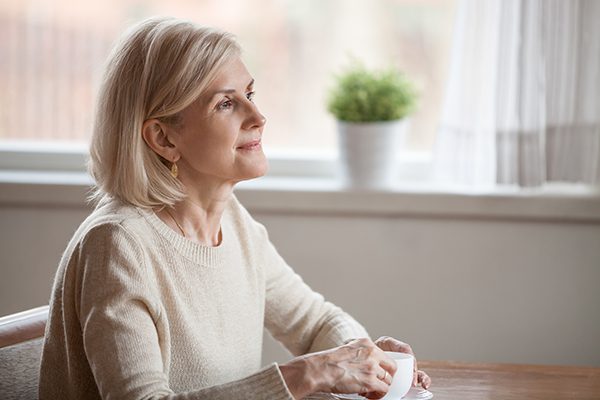
Dreamy aged female enjoying tea remembering pleasant memories
Fitness & Active LivingBy Zoja Popovic0 Comments

Healthy weight and waist

Here at The YMCA of Greater Toronto, we respect and admire the expert advice provided by our partners at The Heart and Stroke Foundation of Canada. That’s why we’re excited to bring you even more great reading material written by the team at this other health-focused charity! In this next piece, we find out how to do a personal assessment of our weight and waistline. It turns out it’s not just about the number on the scale.

Did you know that 60% of Canadian adults are overweight or obese? Obese Canadians are four times more likely to have diabetes, more than three times as likely to have high blood pressure and more than two times more likely to have heart disease than those with a healthy weight.

For those Canadians, a modest weight reduction of as little as 5% of body weight can reduce high blood pressure and total blood cholesterol. However, simply knowing your weight is not enough to know your health risk. Did you know that you can have a healthy weight, but still be at increased risk? How our bodies store excess weight (specifically fat) can negatively impact our health.

Today, there are two methods of self-assessment that can give you a clearer picture of how your weight may be affecting your health – measuring your waistline and calculating your Body Mass Index (BMI).

Healthy waists

Measuring waist circumference can help to assess obesity-related health risk. Even at a healthy weight, excess fat carried around the waist can increase your risk of high blood pressure, high [blood] cholesterol, heart disease and type-2 diabetes. The best way to find out if your waistline is increasing your risk of heart disease is to measure it.

Your natural body shape is an important consideration

Where you carry your weight is just as important as how much weight you carry when it comes to your health. If you’re at risk for overweight-related diseases such as high blood pressure, high blood cholesterol, type-2 diabetes, heart disease and stroke it’s important to follow these steps to assess your waistline size with a measuring tape.

1. Clear your abdominal area of any clothing, belts or accessories. Stand upright facing a mirror with your feet shoulder-width apart and your stomach relaxed. Wrap the measuring tape around your waist.

2. Use the borders of your hands and index fingers – not your fingertips – to find the uppermost edge of your hipbones by pressing upwards and inwards along your hip bones.

Tip: Many people mistake an easily felt part of the hipbone located toward the front of their body as the top of their hips. This part of the bone is in fact not the top of the hip bones, but by following this spot upward and back toward the sides of your body, you should be able to locate the true top of your hipbones.

3. Using the mirror, align the bottom edge of the measuring tape with the top of the hip bones on both sides of your body.

Tip: Once located, it may help to mark the top of your hipbones with a pen or felt-tip marker in order to aid you in correctly placing the tape.

4. Make sure the tape is parallel to the floor and is not twisted.

5.Relax and take two normal breaths. After the second breath out, tighten the tape around your waist. The tape should fit comfortably snug around the waist without depressing the skin.

Tip: Remember to keep your stomach relaxed at this point.

6. Still breathing normally, take the reading on the tape.

Are you at risk?

Male*: more than 94 cm (37 inches) is increased risk; more than 102 cm (40 inches) is substantially increased risk.

Female*: more than 80 cm (31.5 inches) is increased risk; more than 88 cm (35 inches) is substantially increased risk.

*Other risk factors such as ethnicity, individual risk factors, pregnancy, medical history and family history can affect your risk, regardless of your waist circumference.

Having a waistline that is below the cut-off does not mean you are completely free of risk. Your individual risk can be influenced by your health, medical history and family history, so the universal cut-points can be misleading. If you have other risk factors, like diabetes, high blood pressure, or high cholesterol, you might need to lower your waist circumference to minimize your risk. Reducing your waist circumference by 4 cm can have massive benefits to your risk profile and reduce your chances of developing diabetes, heart disease and stroke.

Healthy Weight

Measuring your waistline alone won’t give you all the information you need about your weight. Knowing your waist circumference and your Body Mass Index (BMI) will help you have a good conversation with your healthcare provider about how your body is changing as you age.

The BMI is a ratio of your height and weight. It applies to people between the ages of 18 through 65, except if they are pregnant, breastfeeding or very muscular.

  • Calculate your BMI yourself. Divide your weight in kilograms by the square of your height in metres.
  • Or, using pounds and inches, multiply your weight by 703, divide by your height, then divide by your height again.

If your BMI is

– between 18.5 and 24.9, you’re at lowest risk of developing health problems.
– between 25 and 29.9, you’re considered overweight.
– 30 or more, you’re considered obese.

Tracking your Healthy Waist and Healthy Weight

A single measurement of waist circumference or BMI doesn’t tell us everything we need to know about our obesity-related health issues. Tracking your waist circumference with body weight (BMI) over time is an excellent way for you and your healthcare provider to understand how your body is changing as you age and to monitor your risk of heart disease and stroke.

Achieving a healthy weight isn’t always as simple as eating healthy and being active, but it is a great beginning. Speak to your doctor about different lifestyle options to help you maintain or achieve a healthy waistline and weight that is right for you.

Managing your weight doesn’t have to mean altering your life dramatically. Take small steps, like exercising regularly and eating healthy food.

READ MORE
22 Oct
Mental HealthBy Zoja Popovic0 Comments

5 simple steps to de-stress from a YMCA yoga instructor

Emilie started her journey at the YMCA as a volunteer, and eventually became a valued member of our staff team. Usually, she brings her wisdom on how to unwind to our yoga classes, but we figured everyone could do with a little peace of mind at a time like this. Here’s a simple exercise you can do at home to help you stay calm and protect your mental health.

Even under usual circumstances, I think it’s harder than ever to unplug. We’re constantly being harassed by our own technology; as never-ending notifications remind us of our never-ending to-do lists. Right now, those notifications mostly consist of updates that can feel scary and stressful.

If that sounds like you, I’ve got a simple solution that will bring your stress level way down. Imagine being able to genuinely switch off and feel at home in your body. Imagine getting a break from the constant flood of updates and relishing a mindful moment of peace and quiet.

Sounds amazing, right? Well, you have the power to make all of that a reality. Yoga is a great way to connect the mind and body. It can help reduce feelings of stress, anxiety, and depression (and it gives your eyeballs a break from all of those screens we stare at all day). It’s like an elixir for your mental health. And it doesn’t have to be complicated. Here’s an easy breathing exercise I like to do to help me disconnect:

1.Place your feet hip-distance apart, and root them into the ground.

2. Stand tall and broad across your chest, with the crown of your head reaching towards the ceiling.

3. Close your eyes and float one hand up to your heart, and the other to your lower belly.

4.Keeping your eyes closed, take 10 deep “belly breaths,” feeling your hands move as your ribcage expands and contracts.

5. Take in all the sounds, feelings, temperatures, and other sensations around you. Acknowledge these sensations as they come to pass in your mind, and then return your focus to your breath. Let go of any nagging thoughts about your body or what you think it should look like.

We wish you and your family safety and good health during what we know is a difficult time. Please take care of yourselves, follow the precautions outlined by public health authorities, and check in on The Bright Spot activities page for a variety of safe, at-home activities that will keep you physically fit and socially connected.

READ MORE
25 Sep
Mental HealthBy Zoja Popovic0 Comments

3 ways to brighten your day on National Seniors Day

October first is National Seniors Day in Canada — a day to celebrate seniors and all the wonderful things you bring to the world. We asked Sam Casmey, YMCA Manager of Adult Programs and The Bright Spot Program Coordination, for suggestions on how to mark this special occasion!

Here are three ways you can shine a light on National Seniors Day:

1. Reconnect with a friend or relative

This unique year has crystalized the importance of connection. Relationships are the foundation of our well-being and the scaffolding that supports society. So pick up that phone or get on a Zoom call and chat about old times, or see what’s new with the people you love. Investing intentionally in people who support you — even for just a few minutes — will help keep your relationships strong.

2. Perform a random act of kindness

We know our Bright Spot community is full of talented, inspiring people. Using those talents to benefit others has a ripple effect that lifts our whole community. No matter how small the gesture, you can have a big impact. Get creative! Offer to get groceries for someone who might find it challenging, walk your friend’s dog, or volunteer for a charity. (Stay tuned to hear about opportunities to volunteer with The Bright Spot, coming soon! Yes, we are a charity)

3. Find a new passion

Or at least experiment with a potential one. Join an online club, sign up for a virtual course, or take up a new hobby — all options you can pursue through our online activities. Nourish your spirit and expand your capacity for growth by challenging yourself to try something new.

This National Seniors Day, take some time to appreciate the contributions you have made, continue to make today, and have the potential to make in your future. Celebrate yourself and your peers, and allow yourself to be celebrated. You deserve it!

READ MORE
17 Sep
Mental HealthBy Zoja Popovic0 Comments

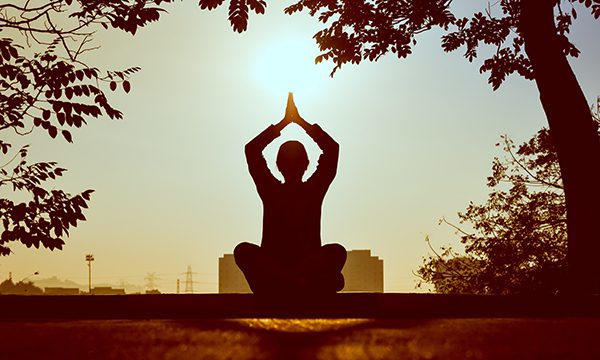
A yogi’s guide to cultivating inner peace, even in the most stressful times

Our regular everyday lives are stressful enough, never mind this “new normal” we’re all struggling to cope with. As we forge ahead during this time of collective crisis, it’s more important than ever to take extra time to care for our mental health. Inner peace might sound like a lofty goal, but Jennifer Hogan, one of our resident yoga experts, says we all have the potential for peace inside of us; we just need to tap into it. Here are the top four ways to get started, all from the comfort and safety of your home.

I believe anyone can attain inner peace, but it’s not a one-off goal. You can’t just accomplish it and then check it off the list. It’s an ongoing practice that we’re always nurturing and growing. Yoga, meditation, and mindful movement can help you find and maintain yours.

1. Finding balance

Yoga is all about balance. In classes like the ones we’re offering on The Bright Spot, you’ll find plenty of movements that balance out your body: forward and backward postures, seated and standing postures, expanding and contracting your lungs, and more. In much the same way, yoga helps bring balance to our minds. Bringing your focus inward and finding physical equilibrium helps our mind start to search for a similar ebb and flow. Consistent yoga practice can make that peaceful feeling last, even when you’re off the mat.

2. Acceptance and awareness

Yoga can be very humbling. One philosophy behind this ancient practice is that you should begin where you are. You become aware of your limitations and agree to work within your capabilities. Honest acceptance of where you are today helps wash away those nagging feelings of guilt or inadequacy. How peaceful does that sound?

3. Compassion and empathy

All of that acceptance is part of self-love. As you become kinder to yourself, you’ll find it easier to turn that kindness outward and empathize with others. You’ll start to recognize that everyone has their struggles, just like you. This ability to see yourself in others helps you interact more peacefully with them. It doesn’t mean you’ll never feel frustrated again, but maybe it will happen less often and without the accompanying anger and stress.

4. Becoming present

When you practice yoga, you learn how to slow down and experience life in the present. Most worries are based on memories of the past, or (perhaps especially these days) thoughts of the future. If you can bring yourself back to the present, you can get rid of these “what if?” ideas that weigh you down. Life isn’t going to be perfect, and we’re all dealing with a lot of uncertainty about what our future holds right now, but living in the present is much more peaceful than ruminating on the past or constantly wondering about the future.

During this stressful time, do your best to carve out a few moments to cultivate inner peace in your life. Check out our soothing Yoga or Tai Chi classes to start building feelings of presence and peace today.

READ MORE
04 Sep
Fitness & Active LivingBy Zoja Popovic0 Comments

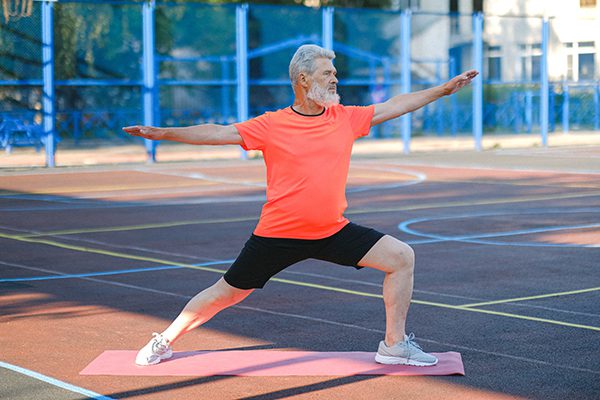
3 ways to make fitness part of your “new normal” this fall

Some people only set new fitness goals when the New Year rolls around, but we think fall brings the same sort of fresh start feelings. After all, many people intrinsically feel the pull to organize and plan in September, perhaps harkening back to all of our back-to-school days. There’s just something about these shorter and colder days that make for a perfect time to start a new routine.

Here are three tips for easing into a healthier, happier lifestyle this fall:

1. Streamline your workouts

After those long, lazy summer days, it can feel tough to get back into a structured routine — especially this year, when everything feels so uncertain. So start small: go for a walk after lunch; try yoga at home with the help of our online activities; or take a tai chi class in your backyard. As long as you have a Wi-Fi connection, you’ve got our expert fitness instructors at your fingertips. Setting aside as little as 15 minutes to do something active every day is a great way to start building healthy habits, and the energy boosts you’ll enjoy from your mini-workouts will probably motivate you to start extending them into longer, more intense ones.

2. Make an exercise schedule

You’re far more likely to skip your workout if it’s inconveniently timed. Be honest with yourself: choose the time of day you typically feel most energized and motivated, and commit to doing your workouts at those times. Then, browse our Sweat For Good app to see which in-person activity is available at your preferred time. You can plan and schedule your fav workouts through the in-app calendar, too. If you’re looking for online classes, the Bright Spot activities page has a handy calendar view as well.

3. Stay away from the scale

While goal-setting is a great way to get started, you can actually stunt your progress if you focus exclusively on tracking your weight. If you’re getting all your motivation from an external source like a number on a scale, things like miniscule fluctuations in your weight can totally destroy your commitment to your new healthy habits, making you feel like all your hard work isn’t paying off. Sticking to a workout regime for the long run requires getting your inspiration elsewhere — like getting the energy you need to play with your grandkids, becoming a better role model, or building your sense of confidence and self-esteem.

Take advantage of those feelings of a fresh start we all get in the fall, and make this September count by tackling a fitness goal you’ve always wanted to pursue.

READ MORE
02 Sep
Food & NutritionBy Zoja Popovic0 Comments

Better than dieting: These simple tips can help you manage your weight without the pressure

Here at The YMCA of Greater Toronto, we respect and admire the expert advice provided by our partners at The Heart and Stroke Foundation of Canada. That’s why we’re excited to bring you even more great reading material written by the team at this other health-focused charity! In this next piece, Cara Rosenbloom, Heart and Stroke’s Registered Dietitian, talks about simple ways to integrate healthy eating habits into your life.

First, the good news. Regardless of your gender, age, height, or weight, you can make an effort to eat well and exercise.

Now, the bad news. If you’re fixated solely on the number on the scale, you’re setting yourself up to fail — and missing an opportunity to do something great for your heart and overall health.

But we’re about to change all of that.

Here are three things you can do to build a healthier relationship with food and set yourself on track for better health.

Adopt a new mindset

Have you ever tried a diet? You know, one of those plans that requires you to cut carbs or subsist on cabbage soup for weeks? Sometimes they work in the short term and you lose weight, but they are not always sustainable and don’t always result in long-term success. That’s especially true if the diet you choose:

  • Is a huge departure from how you normally eat
  • Cuts out a lot of foods you enjoy, so you feel deprived and need to “cheat”
  • Is prohibitively expensive, requiring special food or supplements
  • Lacks variety, so you get bored
  • Doesn’t include physical activity, which is crucial for good health
  • Makes you obsessively track calories or pounds lost

Adopting the right mindset takes you out of a diet mentality and leads you to make sustainable changes to build a healthy lifestyle. There’s no deprivation or calorie counting — but there is lots of variety and delicious wholesome food.

Set the right goals

Weight fluctuates, so stepping on the scale daily can be a recipe for disappointment. And a goal such as “I will lose five pounds in a week” leaves you with little control over achieving that exact number. There are much better ways to mark your progress when you make healthy lifestyle changes. Set a goal that you can control such as:

  • I will replace pop with water every day this week
  • I will walk 10 minutes at a time until I reach 150 minutes per week
  • I will have one extra serving of vegetables every day this week
  • I will replace white bread with whole grain when I eat sandwiches or toast

These are small, sustainable changes, and they can add up slowly over time. Start with one, and add a new goal once you feel that you’ve successfully migrated the first goal into your new healthy lifestyle — then keep going.

Build your healthy eating plan

Instead of a limited, restrictive diet that focuses on what you can’t eat, your meal plan should let you make healthier food choices for the long term. Remember: unlike diets, a healthy meal plan isn’t one-size-fits all and should fit your personal lifestyle and goals. Here are some guidelines to keep in mind when building your plan.

  • Strike a balance
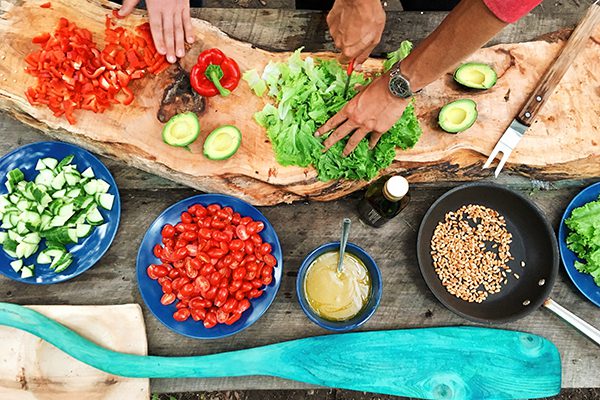
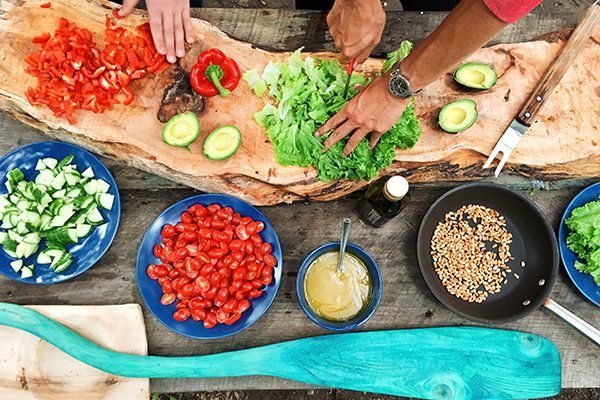
    Begin by focusing on your plate. At each meal, try filling half with vegetables and some fruit; a quarter with protein sources such as fish, poultry, eggs, tofu, or beans; and the remaining quarter with grains (preferably whole grains), such as brown rice or quinoa.
  • Get real
    Aim to eat fresh, whole, unprocessed food more often than you’re eating take-out or processed food. This “real” food is filled with the nutrients your body needs — fibre, vitamins, minerals, protein, and healthy fats.
  • Limit ultra-processed foods
    Ultra-processed foods such as deli meat, soda, chips, fries, cookies, cakes, and candy currently make up about half (48%) of the calories Canadians eat each day. They’re high in sugar, salt, and unhealthy fats (like trans fats). Ultra-processed foodshave been linked to an increased risk of heart disease, stroke, type 2 diabetes, cancer, and more. Cutting back on these foods makes a big difference to your overall health. And you may just lose some weight in the process, even if it’s not your specified goal.

Now for the best part: this eating plan can help reduce your risk of developing heart disease, stroke, type 2 diabetes, Alzheimer’s disease, high blood pressure, and some types of cancer. It can also help you reach a healthy weight for your body type.


READ MORE
26 Aug
Mental HealthBy Zoja Popovic0 Comments

An easy activity to help you protect your mental health and find your inner peace

Every one of us has a responsibility to protect ourselves and our communities by practicing physical distancing. It’s a crucial precaution, but we know it can also feel tough sometimes — as can the ongoing updates we’re all hearing in the news.

To stay strong and positive, we all need to protect our mental health. Our YMCA Camps team has some experience that could help you through this challenging time. Try the super-simple, soothing activity they usually do during out-trips: soloing.

What’s soloing?

Soloing is a great way to practice mindfulness (and physical distancing). Basically, you work on turning your focus inwards and concentrating on your own state of mind, while in the presence of others. It’s sort of like a group meditation! Each of you simply sit, soak in your surroundings, and contemplate whatever comes to mind. It can be as long or as short as you’d like.

If you’re fortunate enough to have your own backyard, or live near a low-traffic green space, you and the members of your household can head outside to make your soloing expedition feel more like an authentic camp experience. But you can solo just fine from your living room, or, if you’re home alone, even with friends and family over FaceTime.

Here’s how to get started:

  • Nominate someone to facilitate the exercise. The facilitator should walk your group through the rest of these steps, below, but they can participate as well.
  • If you’re outside, find a low-traffic place to set up. You want to make sure you won’t be interrupted by others walking by (and also make sure you’re keeping the recommended two metres apart from people who aren’t in your household!). If you’re inside with your family, roommate, or whoever else you’re staying home with, gather in a comfortable shared space and take a seat.
  • The facilitator should set the stage for your soloing session, reminding your group to focus your attention on the sounds, smells, sights, and other sensations around you. If you’d like, you can journal or draw while you solo to capture what you’re experiencing. You shouldn’t be interacting with the other group members at this point, or sharing your observations; the point is to turn your attention inward, even when you’re with others.
  • The facilitator decides how long the activity should last. Once it’s over, they can bring your group back into a circle for a little debrief, where you can discuss things like:
    • Where your mind wandered off to
    • Things you saw, heard, or felt
    • What the shared silence made you feel
    • How long you think you sat there for

Why soloing is special

The interesting thing about soloing is that it’s not very interesting, when you really think about it! You’re just sitting there, thinking. But during stressful times like these, it’s critical to take time for yourself, reflect quietly, be mindful, and live in the present moment. Soloing is exactly the type of activity we should all be participating in right now, to help us appreciate the everyday sensations, details, and feelings that we usually brush past.

READ MORE
26 Aug
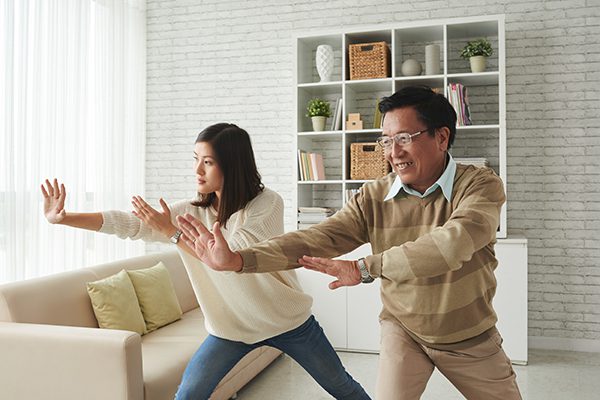
Practicing Thai Chi
Mental HealthBy Zoja Popovic0 Comments

3 ways Tai Chi can improve your mental and physical health

Tai Chi has long been a favourite pastime for many people in Eastern Asia. Today, it’s spread worldwide and become a popular way to maintain physical and mental health. If you’ve never tried it, picture yourself moving through a series of smooth, flowing poses that relieve tension, increase your flexibility, and boost overall endurance. We asked Alex Lau, a YMCA of Greater Toronto Health Educator and Individual Conditioning Coach, to give us the low-down on all the ways you can benefit from Tai Chi. Based on his experience teaching and practicing, here are his top three takeaways:

1. Reduce stress and improve concentration
Research on meditation and mindfulness shows that stressful thoughts often stem from memories of the past or worries about the future. However, most of the time, our present reality does not involve any of these stressors. The goal of mindfulness practice is to bring yourself into the present moment and remember that everything is ok.

When you’re practicing Tai Chi, you smoothly move from one pose to the next, which helps focus all of your attention in the here and now! As you get more familiar with the movements, you will deepen your practice by focusing on your breath and the sensations you’re feeling, synchronizing your mind and body.

2. Support cardiovascular health

A brisk walk is often cited as the minimum intensity level needed to improve cardiovascular health. In a study published in the International Journal of Nursing Studies, researchers examined two groups of adults, each consisting of 80 adults with high blood pressure. One group engaged in brisk walking and the other group regularly practiced Tai Chi. After nine months, those who practiced Tai Chi had a significantly greater reduction in blood pressure and blood sugar than those who did the brisk walking. So if COVID-19 has kept you indoors and missing your regular walks, Tai Chi can be a great substitute to keep up your cardiovascular health!

3. Enhance your balance and coordination

Many older adults want to improve their balance and co-ordination and, in turn, reduce their risk of falling. Tai Chi is a fantastic way to train your body and brain to do just that. Try this quick exercise to see what I mean:

Start standing near a wall or a piece of furniture that you can use to support yourself, if necessary. Then, take one large step forward. It probably took you about two seconds. Next, repeat that step but slow way down so that it takes you about eight seconds to do the same movement. It takes more effort, in terms of strength and balance, right? Now imagine doing that for five minutes and you have a sense of the balance and coordination-building Tai Chi makes possible. Once you start practicing, you’ll find it helps with both static balance (i.e., standing on one leg) and dynamic balance (i.e., balancing while in motion).

How to get started with Tai Chi

We recommend that you start your Tai Chi journey with a knowledgeable instructor who can guide you through postures safely. Look out for our new Sign up for one of our Tai Chi classes on The Bright Spot today and begin your practice with one of our qualified experts, from the comfort of your own home.

READ MORE
  • 1
  • 2
  • 3
Categories
  • Fitness & Active Living16
  • Food & Nutrition7
  • Health4
  • Healthy Living17
  • Hobbies & Interests12
  • Lifestyle3
  • Mental Health25
  • Spotlight Stories13
Recent Posts
  • 5 ways to explore the Greater Toronto Area on a budget
    5 ways to explore the Greater Toronto Area on a budget
    April 6, 2023
  • Eating well and staying healthy on a budget
    Eating well and staying healthy on a budget
    December 7, 2022
  • 5 budget-friendly ways to stay fit and active
    5 budget-friendly ways to stay fit and active
    October 5, 2022
logotype

Follow the Y

Twitter Facebook Youtube Instagram Linkedin
Privacy Policy Terms & Condition
Donate Now

YMCA of Greater Toronto 2023. All rights reserved

Charitable registration number 11930 7080 RR0001