Donate
  • Home
  • Bright Ideas Blog
logotype
  • Home
  • Bright Ideas Blog
logotype
  • Home
  • Bright Ideas Blog
Author: admin
Home admin Page 3
24 Mar
Exercising is the key of his vitality!
Fitness & Active LivingBy admin0 Comments

Tips for starting and sticking to a new spring fitness routine

In the northern hemisphere, spring’s arrival brings more active, outdoor time! But staying active and connected can be challenging during a global pandemic. Feelings of isolation and loneliness are on the rise. While these factors permeate every area of your life, they are also a particularly potent influence on your health, your relationship to your body and perhaps a changing attitude toward fitness.

What’s missing?

If you were a gym-goer, you might be missing the camaraderie that comes with seeing your fellow community members in the conditioning room, or maybe the friendships you built in group fitness classes kept you coming back for more. Perhaps it was the motivational instructor cheering you on as you push through that last set of burpees that helped you exceed your expectations. It may certainly feel like you are now left to your own devices. And for social creatures like us, all this can be demotivating.

The Bright Spot can help you stay active and motivated

To start, get up and get moving today! You’ll get immediate gratification in the form of endorphins. These feel-good chemicals will prime your mind for another day of working out. The buzz you get after a good workout is a miraculous mood-booster and a wonderful way to get back on the fitness wagon. Think of it as a reward. You really don’t need to overthink it. In fact, start as soon as you’re done reading this blog by visiting the activities page on the Bright Spot.

Make a longterm plan

And of course, it’s no secret that regular and continuous exercise has a positive effect on your overall mental health, so make it a priority and stick with it in the long run. Studies say that regular exercise reduces symptoms of depression and anxiety, and after the year we have all had, nurturing our mental health is certainly a welcome salve!

One way to ensure you reap all these benefits is to make a fitness plan. Get your calendar and schedule your workouts for the next six weeks. The standard recommendation for most adults is 150 minutes of moderate to high-intensity activity per week. Consider splitting the week up into five 30-minute workout sessions, or two-hour-long classes and a 30-minute outdoor walk or jog.

Mindful reflection gives your new routine even more staying power

After your six weeks are up, take some time to reflect by journaling about your experience.

Grab a pen and paper and start writing down answers to these questions:

1. How are you feeling compared to when you started?

2. Are you seeing any changes in your mood?

3. Do you see any changes in your body?

4. Do you feel stronger in your day-to-day activities?

5. If so, how and when does your newfound strength show up in your regular life?

Many people report feeling more emotional resilience and physical endurance. Your hard work starts to permeate your life and taking a moment to mindfully reflect on all of this is yet another motivator that will keep you coming back for more.

Keep evolving

After the first six weeks are up, it’s the perfect time to assess if your routine needs a change. Maybe you can increase your fitness frequency or try new styles of exercise to keep your mind and body evolving. In other words, take it to the next level!

Other health conditions can improve with exercise, too

Some types of exercises can even help with conditions like high blood pressure, diabetes and even chronic pain. By finding new ways to move and stay motivated, you can take charge of your overall health. Focusing on something you can control – like your fitness sessions – can also bring about feelings of empowerment which can feel grounding during times of uncertainty.

We are looking ahead to a brighter future when we can be together in person again. Until then, we know that a variety of online classes, inspiring instructors and connections to others will help you meet and exceed your fitness goals, plus we promise you’ll have a lot of fun! And that’s the best way to ensure long-term commitment and success.


READ MORE
12 Mar
Mental HealthBy admin0 Comments

7 hacks to beat stress

At the YMCA of Greater Toronto, we respect and admire the expert advice provided by our partner health charities. That’s why we’re excited to bring you even more great reading material from the team at the Heart and Stroke Foundation of Canada (Heart and Stroke). In this article, you get practical advice on how to manage your stress from Dr. Scott Lear.

Stress. It’s a part of everyone’s life. It doesn’t matter if you’re young or old, at work or retired, we all experience it.

While we typically have a negative notion about stress, it’s not all bad. Stress pushes us to perform, whether physically or mentally. Exercise is a form of physical stress, working your body to make it stronger. And without the stress of deadlines, it can be hard to get things done.

While a little bit of stress can boost your performance, too much can impair it. For some types of stress such as work deadlines, the stress is temporary and usually disappears once you’ve met your deadlines. But continual or chronic stress can increase your risk for diabetes, heart disease, cancer and even early death.

Fight or flight

Your body responds to stress by revving up. It reacts with a boost of adrenaline that pumps your heart faster and makes you breathe quicker. In days of old, this physical response was helpful when often, the best response to stress was either fight or flight.

Nowadays, you can’t really run away from stress in your daily life, and physically fighting your way through daily stress isn’t healthy.  So, you’re left to wait out your stressors without a release. It’s this lack of release that creates the kind of stress that can negatively affect your health. But there are many things you can do to reduce stress and prevent the negative impacts on your health.

How to manage your stress

Get a good night’s sleep

Ever wake up after a restless sleep? It seems like nothing can go right that day. But a good night’s sleep can make you feel invincible. When tired, your adrenaline increases and makes you more susceptible to stress. Getting enough sleep is important to your performance and will make common stressors more manageable.

Exercise

Physical activity delivers a host of benefits for your mental well-being. When it comes to stress, exercise helps make use of the adrenaline that circulates through your body. In addition, the release of serotonin and endorphins that occurs with exercise can make you feel even better. Doing an activity that boosts your heart rate is great, but even a low-intensity activity like a leisurely walk can help relieve stress.

Meditate

Meditation’s popularity has increased over the years as people look to it to not only reduce stress but to improve focus and performance too. Meditation trains you to clear your mind of thoughts from the past and worries of the future –­­­ it encourages you to focus on the present. This may include focusing on your breathing. Meditation can bring clarity to your thinking and reduce stress. Join us for a mindfulness meditation class every week, and start working toward achieving inner peace.

Take control

Stress often comes from a sense of a lack of control and a feeling of helplessness. Trying to find a way to exert some control over a particular situation can be helpful, but it’s not always possible. You may not have control over the most recent stressors associated with COVID-19, for instance. In such cases, you may look to other aspects in your life that you can control. Doing so can give you confidence that you are able to manage life’s challenges and keep a positive outlook.

Smile and laugh

Laughing feels good because it releases endorphins, just like exercise does. Laughter has also been shown to reduce anxiety. Smiling can help too. Even a forced smile can result in more positive feelings when completing a stressful task compared to not smiling.

Socialize (virtually for now)

Spending time connecting with others and sharing mutual experiences brings a sense of comfort to help you cope when things go wrong. Spending time with people (even virtually) can make you happier and even hearing a familiar voice can lead to releases of oxytocin (the feel-good “love” hormone). Choose from a variety of online ways to connect to new people through the Bright Spot activities page.

Start a journal

For some, a journal is a “worry book”; a place to write about all of the things that concern you. Many take time to journal before bed, dumping worries from their minds onto the page and setting up for a better night’s sleep. You may find that writing out your concerns can make them seem less significant. And it’s better than bottling up negative feelings inside.

On the other hand, writing about a few things that you enjoyed or are thankful for today can be helpful too. A daily gratitude practice keep you focusing on the positive aspects of your life. No matter how bad a day seems, you’ll likely find that you can find some good in it.

All these stress hacks have something in common: They remove you from your stressors and your thoughts of stress. Bringing all, or just some, of these stress-relieving practices into your daily life can help prevent stress buildup and make life’s challenges seem less difficult to overcome.


READ MORE
11 Feb
Food & NutritionBy admin0 Comments

Try these meal prep and grocery store hacks

At the YMCA of Greater Toronto, we respect and admire the expert advice provided by our partner health charities. That’s why we’re excited to bring you even more great reading material from the team at the Heart and Stroke Foundation of Canada (Heart and Stroke). In this article, you’ll get tips and tricks to make your next grocery order healthy and fun.

The foods we eat affect our well-being.

Making healthy food choices can help you:

  • Reduce your risk of heart disease.
  • Improve your cholesterol levels.
  • Lower your blood pressure.
  • Maintain your healthy body weight.
  • Control your blood sugar.

With a little advance planning, you can make healthier choices at the grocery store, in the kitchen, and on the go.

Meal planning is key

Meal planning is important whether you’re cooking for yourself or for a family. By planning ahead, you eat better, save time, and spend less money.

Make meal planning a habit

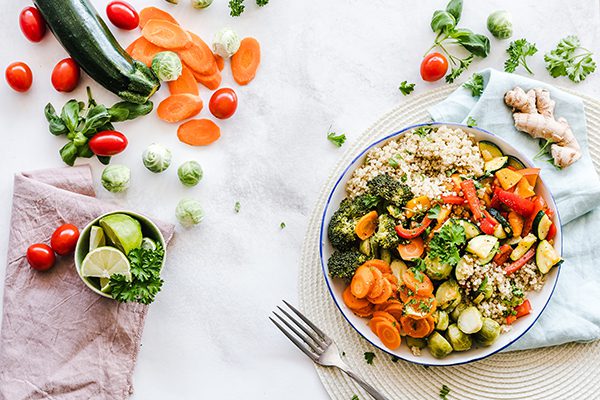
Try to set aside a specific time each week to write down your meal ideas and grocery list. If you relax with a coffee every Saturday morning, that could be a good time to plan the week’s meals. Plan your meals around a healthy plate, making sure you stock up on vegetables and fruits, whole grains and a variety of protein foods, especially plant-based ones.

Don’t forget to plan for snacks. Once your meal ideas are ready, check your fridge and cupboards to see what you need to buy.

Then update your shopping list.

Another great tip is to always keep paper and a pen in the kitchen. As you run out of ingredients, write them down. Then add them to your shopping list.

8 ways to think outside the box when planning your meals.

The best way to eat healthy is to prepare meals at home using fresh, whole foods. To avoid buying pre-packaged convenience foods, think about what you’d like to eat in the coming days.

1. Variety is the spice of life

  • Plan to include vegetables and fruit at each meal and snack.
  • Include beans, lentils and other legumes several times a week.
  • Stock up on whole grains such as brown rice, whole grain pasta, bulgur, farro, etc.

2. Include quick, healthy meals for those nights when you know you’ll be busier

  • Make extra so you have leftovers.
  • Make extra soup or lasagna to freeze for easy heat-and-serve meals.
  • Repurpose your leftovers into a whole new meal. Leftover spaghetti sauce can become minestrone soup, meatloaf, or pizza sauce.

3. Get inspired by the season

  • If salmon, tomatoes or rhubarb is in season, seek out recipes with those ingredients.

4. If you can, try to buy local

  • It’s often fresher than food that comes from far away — and you’re supporting local farmers and families, too!

5. Food that is less processed is more nutritious

  • Pre-made or pre-packaged convenience foods may be handy, but they are often high in fat, salt, sugar, and calories. If you must eat packaged foods, check the Nutrition Facts label and watch your serving size.

6. If you follow a special diet, try to focus on what you can eat, not what you can’t eat

  • If you are gluten-free, for example, there are many naturally wheat-free grains, beans and lentils, and produce. As well, you can enjoy modified bread and pasta.

7. Include snacks on your list to reduce temptation once you’re at the grocery store

  • Healthy snacks might include nuts, baby carrots and hummus, roasted chickpeas, hard-cooked eggs, tuna and whole-grain crackers, air-popped popcorn and whole-grain crackers with lower-fat, lower-sodium cheese.

8. If you have a family, get them involved in the meal planning

  • Keep a running list of meals your family enjoys, and get everyone to participate with their favourites.

Shopping tips for healthy food

Grocery shopping is an important part of healthy eating and a healthy lifestyle. The key is to be prepared before you go, and know how to navigate the grocery store once you get there. If you prefer online shopping over the traditional visit to the store, these tips apply in the virtual world as well.

Eat something before you shop so you aren’t tempted by snack foods at the store

If you’re going into the store, take some time to familiarize yourself with the layout

Vegetables, fruit, bread, tofu, meat, fish and dairy will usually be in the outside aisles.

Whole grains, lentils, beans and oils will usually be in the inside aisles. That’s where you will often find frozen and canned vegetables and fruit, too.

Read the packaging

All packaged foods have a Nutrition Facts table. Use it to choose food that’s lower in salt, sugar, and saturated fat. Look for the percent daily value on the right-hand side of the Nutrition facts table. It shows you if the serving size has a little or a lot of a nutrient.

5% DV (Daily Value) or less is a little

15% DV (Daily Value) or more is a lot

Prepare your produce
Wash and cut some of your vegetables and fruit so they’re ready for snacking.

Celery, cucumbers, carrots, peppers, grape tomatoes, and snap peas are great on their own or with a low-fat dip, hummus, peanut butter, or salsa.

To wash or not to wash before you put your produce away?
Cold, clean tap water is just fine for washing fruits and vegetables but the choice to wash before you store, or once you’re ready to use it really comes down to the produce in question:

Leafy greens: salad, spinach, cabbage, green onions. Wash when you get home from the store. Then wrap in a paper towel and store in a plastic bag or sealed container in the fridge. This way, they’re ready to use and they’ll last longer.

Food with a rind or thick peel: oranges, cantaloupes, melons, carrots, and potatoes. Wash before eating/cooking and if you have a produce brush, give them a little scrub. This removes bacteria on the rind or skin so it doesn’t get in the food when it’s cut or peeled.

Mushrooms: Don’t wash. Wipe them with a clean cloth just before using. They keep best when stored in a paper bag in the fridge.

Berries: strawberries, raspberries, and blueberries. Wash just before eating otherwise they spoil very quickly. 

Be prepared

Divide your snack food (crackers, nuts) into individual, ready-to-eat servings. When making a snacking choice, be careful with nuts and seeds. They’re tasty and it’s easy to over-do it. Opt for raw or dry roasted nuts without the added salt, rather than roasted in oil.

READ MORE
28 Jan
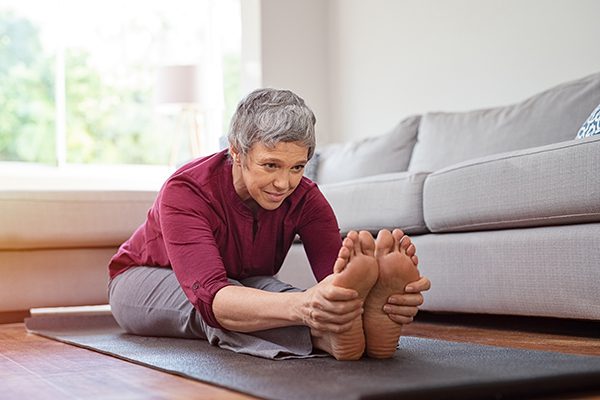
Mature woman doing yoga exercise at home
Fitness & Active LivingBy admin0 Comments

How much physical activity do you need?

At the YMCA of Greater Toronto, we respect and admire the expert advice provided by our partner health charities. That’s why we’re excited to bring you even more great reading material from the team at the Heart and Stroke Foundation of Canada (Heart and Stroke).

To maintain heart health, a little physical activity goes a long way. Regular physical activity is a great way to keep your heart healthy and lead a healthy lifestyle. But if you’re not active now, don’t worry. You don’t have to suddenly embark on an Olympic-training program. The Bright Spot is the perfect place to start your journey, and the options are almost endless!

Heart and Stroke’s recommendations

Heart and Stroke recommends adults should accumulate at least 150 minutes of moderate- to vigorous-intensity aerobic physical activity per week, in bouts of 10 minutes or more. The activity doesn’t have to be non-stop, such as an aerobics class. You can do 10 minutes or more at a time throughout the day to reach your daily total. For example, take a brisk 10-minute walk mid-day, play for 10 minutes with your grandkids (if you are able to see them safely during COVID-19 restrictions), and then spend some time participating in one of our many Bright Spot activities like Yoga, BodyFit or Tai Chi!

If you’re short on time, remember that any physical activity is better than none. However, the more active you are, the greater the health benefits. The bonus: physical activity will give you more energy and help you cope better with stress and low mood.

Older adults should add muscle and bone-strengthening activities using major muscle groups at least two days per week to enhance balance and prevent falls. The Bright Spot is now offering a brand new class that will help you learn how to do just that. Try our Weights For Bone Health class every Friday at 9:00 am.

Just as a variety of foods is important for healthy eating, a variety of activities is important for healthy living. Choose physical activities that require endurance, strength and flexibility.

Endurance activities are continuous activities such as walking, cycling and tennis. They’re especially beneficial for your heart, lungs and circulatory system.

Strength activities, such as carrying groceries, heavy yard work or snow shovelling and weight training can help to strengthen muscles and bones and improve posture. Aim for at least two times a week.

Flexibility activities like yoga, tai chi, and even housework will keep your muscles relaxed and your joints mobile. Increased flexibility later in life will allow you to continue to tie your shoes, reach the top shelf in your kitchen and clip your toenails. Try our Functional Movement class for specialized instruction.

Balance activities you can do at home include standing on one foot or standing on your toes while holding onto the back of a chair. As you progress, steady yourself with one finger, then try it with no hands. When you are really steady, try the exercise with your eyes closed. Any exercise that strengthens your lower body is also a great addition.

Be sure to vary your activity from light, moderate and vigorous effort. And remember that it’s never too late to strengthen your body! Studies have found that weight training can reverse muscle weakness even among people in their 90s.

NOTE: Before starting a physical activity program, speak to your healthcare provider first to discuss what is right for you.

READ MORE
18 Jan
Food & NutritionBy admin0 Comments

How to curb emotional eating

As we enter the coldest winter months of the year and another round of COVID restrictions take hold in our province, it could be tempting to use food as a way to manage difficult emotions and stress. But it doesn’t have to be this way!

We have some great tips from our partners at the Heart and Stroke Foundation about how to keep your relationship with food healthy and happy as we navigate the next few months together!

The emotional-weight connection

Emotional eating is a coping mechanism that some people use to soothe stress, fear, anger, boredom and loneliness. Sometimes, emotions get so linked to eating habits that you reach for comfort food without realizing it.

If you’re an emotional eater, you’ve likely learned that relief from food doesn’t last long. This habit can cause weight gain over time, especially if your go-to foods are high in calories, sugar and fat — and they usually are.

Excess weight can increase your risk of heart disease, stroke and other chronic disease — not to mention adding to the stress you’re feeling.

Mindful eating

If you’re eating for reasons other than hunger, it’s time to retrain your habits. Mindful eating is a technique that dietitians use with clients to help curb emotional eating. It involves deliberately paying attention to your food choices, and being aware of what is happening in your body and mind.

Mindfulness teaches you to focus on your emotional and physical responses before, during and after eating, without judging yourself. You should experience meals with all of your senses, so you truly see, taste, hear, smell and feel your food. It removes guilt associated with food choices, and lets you focus on what being hungry and full really feel like.

Studies show that mindful eating techniques can you help curb binge eating, stop impulsive food choices, stop rewarding yourself with food, control weight and reduce body mass index.

Get started

You can learn to refocus your eating patterns. Consider getting help from a dietitian and/or a psychologist who specializes in mindful eating. Meanwhile here are some tips to get you started:

  • Write it down. Start a food and mood journal, to keep track of what and how much you eat, and how you’re feeling when you eat. Look for patterns to see the connection between your mood and food cravings.
  • Break the cycle. If you identify a negative pattern, take steps to change it. Maybe you can substitute healthier alternatives to replace junk food, or reduce portion sizes. Or, take a walk when a craving hits to distract yourself from temptation.
  • Ditch the distractions. When you’re eating, turn off all screens and focus on your food – how it tastes, smells and looks. Enjoy every bite and pay attention to your fullness cues.
  • Rate, then bite. Before you reach for a snack, take a second to rate your hunger on a 1-5 scale. Are you really hungry, or just bored? Start with a glass of water — sometimes thirst masquerades as hunger. After a few minutes, if you’re still hungry, enjoy your food.
  • Go slow. Set small goals to change your behaviour. For example, start by eating meals at a table, rather than while on the go. Or, put down your fork between bites to take time to savour your food. Changing longstanding habits takes time and commitment.

With some practice, mindful eating can help you find the joy in food and learn to listen to — and love — your body.

READ MORE
18 Dec
Food & NutritionBy admin0 Comments

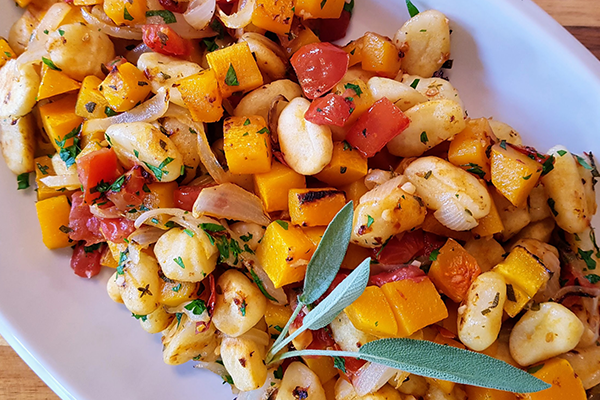
Roasted squash and gnocchi toss

At the YMCA of Greater Toronto, we respect and admire the expert advice provided by our partner health charities. That’s why we’re excited to bring you even more great reading material from the team at The Heart and Stroke Foundation of Canada. Try this delicious heart-healthy recipe that is the perfect way to warm up this winter season!

Change up the way you serve up your potatoes and squash by bringing them together in this easy roasted dish.

4-6 servings / 35 min

Prep 15 min / Cook 20 min 

Ingredients

3 cups (750 mL) chopped butternut squash

2 large plum tomatoes, chopped

1 pkg (500 g) potato gnocchi

1 onion, sliced

2 tbsp (25 mL) sodium-reduced vegetable broth

1 tbsp (15 mL) extra virgin olive oil

1 large clove garlic, minced

1 tsp (5 mL) each chopped fresh thyme and sage leaves

1/4 tsp (1 mL) hot pepper flakes

1/4 cup (50 mL) fresh grated parmesan cheese

2 tbsp (25 mL) chopped fresh parsley

Directions

In a large bowl, toss together squash, tomatoes, gnocchi and onion.

In a small bowl, stir together broth, oil, garlic, thyme, sage and hot pepper flakes. Pour over squash mixture and toss well to coat evenly.

Spread mixture onto parchment paper lined baking sheet in a single layer. Roast in preheated 450 degrees F (232 degrees C) oven for 12 minutes. Using a flat spatula, flip gnocchi mixture over and continue to roast for about 10 minutes or until golden and squash is tender.

Scrape into serving bowl and toss with cheese and parsley to serve.

Tip: The hot pepper flakes add a little zip to this dish. If you are not a fan of heat or spice, simply reduce the hot pepper flakes to a pinch.

Nutritional info per serving (¼  of recipe)

Calories: 321

Protein: 11 g

Total fat: 6 g
Saturated fat: 1.5 g
Cholesterol: 6 mg

Carbohydrates: 64 g 
Fibre: 4 g
Sugars: 6 g
Added sugars: 0 g

Sodium: 384 mg

Potassium: 994 mg

Recipe developed by Emily Richards, PH Ec. ©Heart and Stroke Foundation 2018.


READ MORE
  • 1
  • 2
  • 3
Categories
  • Fitness & Active Living16
  • Food & Nutrition7
  • Health4
  • Healthy Living17
  • Hobbies & Interests12
  • Lifestyle3
  • Mental Health25
  • Spotlight Stories13
Recent Posts
  • 5 ways to explore the Greater Toronto Area on a budget
    5 ways to explore the Greater Toronto Area on a budget
    April 6, 2023
  • Eating well and staying healthy on a budget
    Eating well and staying healthy on a budget
    December 7, 2022
  • 5 budget-friendly ways to stay fit and active
    5 budget-friendly ways to stay fit and active
    October 5, 2022
logotype

Follow the Y

Twitter Facebook Youtube Instagram Linkedin
Privacy Policy Terms & Condition
Donate Now

YMCA of Greater Toronto 2023. All rights reserved

Charitable registration number 11930 7080 RR0001