
Donate
  • Home
  • Bright Ideas Blog
logotype
  • Home
  • Bright Ideas Blog
logotype
  • Home
  • Bright Ideas Blog
Author: admin
Home admin Page 2
05 Oct
Fitness & Active LivingBy admin0 Comments

How to shine and stay active in your golden years

Physical activity at any age is important, but as you get older, it becomes an essential part of a long, rewarding life. Here are a few reasons why incorporating diet and exercise into your day-to-day plans can add years to your lifespan.

By the numbers

Canada’s older adult population is growing. It’s projected that by 2061, we’ll have over 12 million people aged 65+. 

Yet even though this group bracket is increasing, activity levels are not. In fact, according to a Statistics Canada report, only 20 per cent of seniors get the recommended amount of physical activity each week. 

If you’re an older adult, you should aim for 150 minutes of moderate-intensity aerobic activity per week. That doesn’t mean running a marathon or competing in a weightlifting competition. Anything that gets your heart beating faster and makes your muscles work harder is a good starting place.

A whole body workout

According to the National Institute on Aging, exercise helps you in a variety of ways that go beyond just a healthy body. Staying active can reduce your risk of dementia by increasing oxygen flow to your brain, lower your risk of osteoporosis by improving bone density and make you a happier person by releasing endorphins into your body. 

Other benefits include: 

  • Lowering stress and anxiety levels
  • Improving your sleep
  • Reducing the risk of serious disease
  • Increasing cognitive functions 

While there are countless benefits to increasing your activity levels, you should also watch for warning signs that you may be overdoing it. Dramatic weight fluctuations, ongoing muscle stiffness and prolonged weakness or dizziness are things you shouldn’t ignore. If you happen to notice changes in your body that are out of the norm, it’s best to consult a medical professional for advice.

A weight off your shoulders

According to Harvard Medical School, adults put on three to four pounds per year after they turn 40. But due to the aging process, they lose one to two per cent of muscle at the same time. That means the extra weight you gain ends up being mostly fat. This can contribute to higher cholesterol levels and increases your chance of developing type 2 diabetes. By focusing on positive eating habits and incorporating strength training into your health routine, you can help to minimize those risks.

If you’re looking to take your workout to the next level, you could follow Ernestine Shepherd’s path. She started her fitness journey at 56 without any previous gym experience. Now, she holds a title in the Guinness World Records at 80 as the oldest competitive female bodybuilder in the world!

You may not want to go to the same lengths, but two days a week of light aerobic activity can help control your weight and keep your muscles strong.

Never too late to start & stay active

Even if regular physical activity hasn’t been part of your daily routine, it’s never too late to change old habits and adopt new ones. The lifestyle choices you make, whenever you start, will have positive effects on your body. Things like eating a balanced diet, reducing alcohol consumption or getting a good night’s sleep contribute to healthy ageing. 

In a study from Sweden, a group of 50-year-old males were tracked over the course of 35 years. Subjects were asked to submit detailed information about their health habits every year. Researchers found that those who increased their activity levels, even into their 70s, extended their lifespans and their quality of life.

Taking a step in the right direction

The YMCA of Greater Toronto has been offering health and wellness classes for decades, but with the shift to digital programs with the COVID-19 pandemic, now you can stay active from the comfort of your home. So, whether you’re looking to line dance, lift weights or learn yoga, there’s an activity waiting for you to explore at The Bright Spot. Visit our activities page to learn more.


READ MORE
19 Sep
Mental HealthBy admin0 Comments

Resilience and change: Helping seniors cope during COVID-19

The pandemic has turned life upside down for many older Canadians.

Besides facing the highest risk of COVID-19 hospitalization and mortality, seniors are experiencing tremendous changes in their lives due to the pandemic. According to a survey of Canadians aged 55+ conducted in autumn 2020:

  • 90% said the pandemic caused changes in their daily routine (e.g., work, education, social life, hobbies or activities)
  • 79% reported changes and delays in accessing healthcare, including medical appointments and prescriptions
  • 83% said their access to family and social supports has been affected

Coping with all of this change can be tough, especially due to physical distancing measures necessary to keep seniors safe from the virus.

As difficult as the pandemic has been, however, it’s an opportunity for seniors to learn about strategies and resources that can help them cope with change at any time.

Tap into past transitions

Surprisingly, life satisfaction usually increases with age. Why do seniors report higher rates of happiness than younger people?

According to researcher Mark Brennan-Ing, it’s essentially a case of “been there, done that.” Older people are good at adapting to change, he says, because they’ve already gone through so much of it. 

“There’s crisis competence,” Brennan-Ing explained to The New York Times. “As we get older, we get the sense that we’re going to be able to handle it, because we’ve been able to handle challenges in the past.”

Life changes experienced by many seniors include challenges from divorce or bereavement to chronic health conditions or facing the physical and mental effects of aging. Loved ones can help seniors cope with life-altering situations like the pandemic by pointing out how successfully they’ve weathered other momentous shifts in their lifetime.

The University of Cincinnati’s Center for Aging With Dignity suggests that you,  

“remind them of the challenges they have overcome throughout their lives. Doing so may boost their confidence, help them accept change and adjust accordingly.”

The resilience factor

Drawing strength from these past transitional periods helps older adults build a critical coping skill called resilience.

The University of Arizona Center on Aging defines resilience as “successful adaptation to adversity. It is revealed by an individual’s ability to cope and recover from crises, sustain a sense of purpose and vitality, and emerge stronger from stressful experiences.”

How can seniors develop this sort of resilience, both during the pandemic and beyond it?

Tips for coping

Key things that can help seniors build resilience in challenging times include: 

  • A sense of purpose: Involvement with activities, volunteer work, religious faith or relationships that give life meaning (Check COVID-19 public health guidelines for any in-person activities.)
  • Personal connections: Engaging in fulfilling interaction with family, friends and community
  • Optimistic outlook: Seeking silver linings in tough situations, learning from setbacks, and finding gratitude for what you already have
  • Physical activity and nutritious food: These help keep the body and mind healthy during stressful periods

Specific activities recommended to help seniors cope during COVID-19 include: 

  • mindfulness practices like meditation 
  • maintaining a regular schedule
  • creative outlets like writing, singing, painting or drawing
  • reading, listening to music or writing in a journal
  • getting outside once a day
  • staying in touch with family and friends
  • getting adequate sleep
  • limiting news intake to reliable sources for short periods at a time
  • focusing on things within your control 
  • learning a new skill or language

Change can be difficult. But it’s an opportunity for seniors to attain greater self-awareness and build inner resilience. Doctors, counsellors and faith leaders have experience helping people cope with change. Across Canada, information on various government and community services is available 24/7 by phone at 211 and online at 211.ca. 

If you’re interested in fostering new interests and building your support community, The Bright Spot might be the kind of change you’re looking for. Visit our activities page to get started today.

READ MORE
05 Sep
Spotlight StoriesBy admin0 Comments

Participant Spotlight: Bianca Da Costa, virtual jet setter

Bianca Da Costa has been visiting Germany for over 30 years. She starts her trips by seeing her cousins in the Netherlands and then takes a nine-hour train ride to stay with her friends in Stuttgart. A self-identified travel junkie, Da Costa would rather explore cultural sites and local history than sit on the beach at a resort. 

Morocco, Spain, Italy, France and Argentina are some of the other places she’s explored over the years. But when COVID-19 hit last year, her travel plans were grounded.

Breakfast leads to a full course load

Da Costa spent most of her career working in financial services. With retirement approaching in 2020, she started to actively plan where she would visit and what she would do. Unfortunately, her golden years began at the cusp of a worldwide pandemic and she had to shift her focus to how she could experience the world from the comfort of her living room. 

“I was looking for something mentally stimulating,” says Da Costa. “Staring at a screen all day can become difficult. I needed human connection.”

Da Costa wasn’t active with the YMCA of Greater Toronto prior to the pandemic. It’s something that she had always wanted to do when she had more free time. But when she tuned in to an episode of Breakfast Television in June 2020, everything changed.

A feature on the newly launched site, The Bright Spot,  piqued her interest and she decided to visit the online community to learn more about the activities offered.

A taste of the world

Due to her love of travel, she started signing up for classes that catered to her international ambitions. Food for Thought helped her get a taste for other places and people. The 30-minute class is made up of regular participants, with culinary topics chosen based on cultural practices or seasonal holidays. People will bring spices, oils, or herbs and talk about traditions and preparation. 

While Da Costa wouldn’t be boarding a plane anytime soon, she did the next best thing and also signed up for Virtual Vacation. The travel activity allowed her to talk to other jet setters about their experiences, as well as share some stories of her own.

A few months ago, Da Costa volunteered to present about her time in southern Germany. She believes that letting people in on small details paint a big picture of what you can expect. It’s that world-building that makes you want to go there.  

“It’s been a challenging year for people who love to travel,” says Da Costa. “But I take each day as it comes. These programs are the next best thing to being there yourself.”

Speaking from the heart

While food and travel stories have helped Da Costa get a sense of other cultures, she also took advantage of The Bright Spot’s language classes to help her post-pandemic. She’s currently taking a Tuesday Spanish class to improve her vocabulary and communication skills.

Over a dozen people attend the weekly class, where participants learn through structured conversations. The introductory-level program covers language basics but over the past year, participants have improved their vocabulary extensively. In the future, they hope to meet in person, possibly in a country where Spanish is the native tongue.

“I love the Spanish class,” says Da Costa. “I have very dear friends who live in Spain and I’d love to go back to Barcelona. It’ll be great to actually order from a menu or have a conversation with someone.”

What’s up next?

When asked what has stood out most about The Bright Spot programming, Da Costa says it was how fast it all came together and the quality of the classes taken. She’s even brought the sponsorship opportunity to her past employer to see if they were open to supporting the initiative in the future.

“I hope the momentum continues, “ says Da Costa. “30 to 45 minutes to connect in the virtual world is better than not being able to connect at all. I don’t know when I’ll be able to see the globe again, but The Bright Spot has made a world of difference for me.”

READ MORE
23 Aug
Hobbies & InterestsMental HealthBy admin0 Comments

Healthy aging through arts and culture

When COVID-19 dimmed the stage lights on the Young@Heart seniors’ choir, the singers didn’t retreat into silence.

The Massachusetts choral group (minimum age requirement 75) has toured the world and starred in a 2008 documentary. But the pandemic put its 2020 holiday concert in jeopardy. So Young@Heart live streamed the show instead. Each singer performed their parts from home online, belting out hits like Twisted Sister’s “We’re Not Gonna Take It.”

The lyrics of that rock anthem were especially fitting for the times: 

We’re not gonna take it

No, we ain’t gonna take it

We’re not gonna take it anymore!

Young@Heart’s members aren’t just standing up to COVID by seeking physically distanced solace in song. By filling their lives with music, they’re also nurturing their physical and mental health as they age.

Arts and aging 

A groundbreaking 2006 study suggests art and culture are good for the body, mind and spirit of older adults.

In the experiment, 150 seniors aged 65 to 100 took part in community arts programs like music, painting, dance, drama and pottery for a two-year period. Compared to a control group, these seniors: 

  • Made fewer doctor visits
  • Used fewer prescription drugs
  • Used fewer over-the-counter medications
  • Suffered fewer falls 

In terms of mood and mental health, the seniors who participated in arts programs also reported:

  • Higher morale 
  • Improved depression symptoms
  • Less loneliness 

For brain health

Can arts and cultural activities actually improve cognitive performance in older adults?

Yes, according to a 2017 study that tracked the health of 1,498 Americans aged 55-plus for a 15-year period. Seniors who created art and attended arts events scored seven-fold higher on cognitive function tests than those who did not partake in those activities. 

The art participants also saw improvements in their bodies, recording lower rates of hypertension and better physical functioning overall than the control group.

The sound of music

Remember Oliver Sacks, who inspired the movie Awakenings? In real life, the late neurologist witnessed the powerful impact of music on Parkinson’s patients who had lost the ability to move or speak.

In the presence of music “they could be transformed,” Dr. Sacks told NPR back in 2009. “If there’s music, these people could dance, they could sing, they could talk, they can do things.”

Clinical research has also shown that: 

  • On fMRI scans, music activates parts of the brain involved in memory, emotion and physical movement — areas of function that commonly decline with age
  • Singing or listening to music can improve the general cognition, attention and memory recall of seniors with dementia
  • Taking music lessons late in life can increase neuroplasticity in older adults, and aid their ability to recognize speech in noisy environments

The artful Rx

Beauty is in the eye of the beholder, but it might do wonders for the aging brain and body as well. 

According to research cited by the British government, seniors who create artworks on a regular basis exhibit:

  • Greater functional connectivity in the brain
  • Reduced stress levels
  • Increased psychological resilience 

Further, a 2019 study from ‘down under’ suggests you can bolster your brain power through art without lifting a paint brush. After a six-week program of visits to the National Gallery of Australia, a group of seniors with dementia showed improvements in their depression symptoms, verbal fluency and immediate memory recall.

In Ontario, Quebec and the UK, physicians have actually prescribed visits to galleries and museums for patients with depression, Alzheimer’s and heart conditions.

Books for brain health

You don’t have to write books to help your brain age gracefully. Reading them packs a cognitive punch of its own.

When researchers surveyed 300 elderly people over a six-year period, bookworms reported 30 per cent less memory decline than non-readers. After the participants passed away, autopsies found no neural tangles or lesions (common markers of memory loss) in the brains of the avid readers.

Like the Young@Heart choir, Toronto seniors can still find their creative voice during the pandemic. The Bright Spot offers a variety of activities, including Music with the TSO, Book Club and Art for Personal Wellness, so you can get your creative juices flowing from the comfort of your home.

READ MORE
09 Aug
Spotlight StoriesBy admin0 Comments

Volunteer Spotlight: Rick Casmey, Trivia Master

A Victoria, B.C. native, Rick Casmey moved to Labrador City, NL in 1963 and spent most of his career working in the mining industry. Casmey is married with three daughters, two of whom live in the same city while the other is 2,000 km away. And even though he retired more than 15 years ago, he’s still active in his community. 

Casmey has been on the executive team of the Newfoundland and Labrador Curling Association since 1983 and is currently the Northern Zone director. Over the years, he’s attended 22 Briers across Canada and sees them as a great way to explore the country. 

“It’s what I do in the winter, “ says Casmey. “Now I’m just waiting for the snow to go away before I start golfing.”

From hurrying hard to a slower pace

Last spring, his daughter Samantha Casmey, manager of adult health and fitness programs at the YMCA of Greater Toronto, reached out and told him about a new programming initiative designed to support older adults during the pandemic. That’s how he got started volunteering for The Bright Spot.

He initially signed up to attend a Tuesday trivia night in June 2020 and immediately got hooked. Before he knew it, he had volunteered to host one of his own on Thursdays. What struck him most over the first few months is how much it helped people connect with one another and build a sense of community.

“Suddenly, they didn’t feel so isolated,” says Casmey. “It’s eye-opening how much looser people become. Now that this is part of their weekly routine, they’re getting the support and interaction they need.”

Growing a community

The sessions started small but have grown in size over the past year. Now, 15 to 20 people show up each week and the sessions have turned into a larger platform for group discussions. For example, Casmey might follow up on a travel-related question, asking participants about the places they’ve visited and the experiences they’ve had. 

Attendees end up sharing parts of their lives that they haven’t talked about for years. Even though the question portion of the trivia only lasts for 20 minutes, the whole session runs over an hour with sprawling conversations from those in attendance. 

A family affair

Casmey’s favourite part about volunteering with The Bright Spot is interacting with different people and the conversations they have. 

“Making connections is a wonderful thing,” says Casmey. “After a while they almost act like extended family that you see on a regular basis. We all bring a lot of brightness into each other’s lives.”

While participants may feel like family, his real offspring are part of the mix, too. Casmey’s granddaughter, a student at Queen’s University, joins the sessions with her roommates. The same goes for his daughters and in-laws at home. But they’re not just limited to activities Rick Casmey hosts. They’re also exploring the other activities that The Bright Spot offers.

Connecting on a deeper level

It’s tough to say how long it’ll be before participants are able to attend a trivia session in person, but Casmey sees The Bright Spot model as something that will keep growing. Even though he’s hosting activities in Labrador City, he’s able to connect with people thousands of kilometers away. 

When asked why he’s committed to giving so much of his free time volunteering, Casmey says that it goes deeper than supporting his curling community or bringing people together through trivia.

“For most people, volunteering sets a purpose and helps you grow,” says Casmey. “You’re doing something that’s important to you. Giving back and not just taking. After I finish something like trivia, I feel pretty good. They do, too.”

If you’re interested in joining a future trivia night or wonder if one of the dozens of other classes The Bright Spot offers are right for you, visit our activities page and get the answers you’re looking for.

READ MORE
28 Jul
Hobbies & InterestsMental HealthBy admin0 Comments

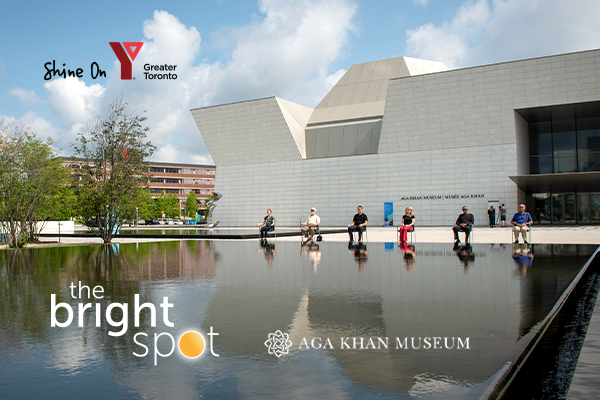
YMCA of Greater Toronto & the Aga Khan Museum Bring You a New Mindfulness & Education Series

Explore innovative ways to prioritize your well-being when two charities join forces to bring wellness to the community

The Bright Spot family, you now have new ways to find inner peace and gain wisdom with a partnership between the YMCA of Greater Toronto and the Aga Khan Museum. The two charities partnered to offer a series of mindfulness and educational programs. Leaders in community programming with a focus on inclusion and diversity, this partnership is a natural fit for both organizations. The YMCA of Greater Toronto is pleased to bring together members of the community in new ways to support overall health and well-being.

The YMCA and the Aga Khan Museum will offer both online and in-person mindfulness sessions now that Ontario is in Stage 3 of its Roadmap to Reopen plan. Virtual educational sessions hosted by Aga Khan Museum curators will be offered at The Bright Spot and at the Museum’s virtual museum: #MuseumWithoutWalls.

Explore a peaceful means of practising mindfulness meditation, a method of meditation that combines “probing for inner truth” with physical relaxation.  The educational sessions at The Bright Spot and #MuseumWithoutWalls will take you on a virtual exploration of the Aga Khan Museum with specialized museum curators. These interactive and engaging sessions will explore displays, collections, objects and more.

  • Educational classes start on September 1, 2021, at The Bright Spot.
  • The next mindfulness session happening at the Aga Khan Museum will be on August 18, 2021, at 10 am.

Look for more details about upcoming events in this series at The Bright Spot’s activities calendar.

READ MORE
12 Jul
Hobbies & InterestsBy admin0 Comments

Grey tech: Helping seniors bridge the digital divide

Canadian seniors are proving you’re never too old to become an Internet sensation.

Instead of focusing on the tick-tock of their advancing years, they’re racking up millions of views on the Tik Tok app. In hilarious videos, Quebeckers aged 70 to 75 have been engaging in activities like dancing, applying makeup and dressing up for a tea party. The Quebec government created a cheeky campaign to promote a spirit of optimism and unity among all ages during the COVID-19 pandemic.

And people are watching! As of spring 2021, one of the Tik Tok videos was viewed more than 7.5 million times! At a time when social distancing has left many older people feeling isolated, these elderly Canadians used mobile technology to connect with the entire world.

These tech-savvy seniors are part of a growing trend. An autumn 2020 study of Canadians aged 65 and older found that during the pandemic:

  • 23 per cent had used video calling on their smartphones (that’s double the 2019 figure)
  • 37 per cent had used social media to communicate with friends and family 
  • 50 per cent said technology has had a positive impact on their lives during COVID-19

Despite those encouraging findings, the same survey showed that since the pandemic began:

  • Only seven per cent of seniors had used video for a health appointment 
  • Just 13 per cent had tried exercise apps or fitness trackers 
  • Only 13 per cent engaged in online activities like games or book clubs 

Although 60 per cent of the surveyed seniors believe technology can help reduce their social isolation during COVID-19, older Canadians still face hurdles to adopting high tech. Here are some of the most common obstacles, and how to overcome them. 

Tech training 

There are now more senior citizens in Toronto than children under the age of 15. Unlike today’s kids and teens, however, many seniors did not grow up using technology at home or school. Here are some resources to help them develop digital literacy.

  • Toronto Public Library’s Seniors Tech Help program offers free:
    • Online tech workshops
    • Laptop, computer and smartphone training
    • Internet safety, security and privacy education
    • Assistance accessing digital health and support services
  • TechServeTO, founded by one of YGTA’s Youth Advisors, helps older adults with:
    • Technology workshops
    • Articles
    • Volunteer opportunities
    • Digital resources
  • The non-profit organization, Connected Canadians, offers seniors hands-on training in:
    • Using email
    • Video chatting
    • Phone texting
    • Social Media
    • Online gaming
    • Staying socially connected online in hospital or long-term care

Accessibility 

Changes in vision, hearing, cognition and manual dexterity can hinder the ability of older adults to use digital technology and devices. Here are couple of helpful avenues to explore:

  • Virtual assistance: this voice-activated technology allows seniors to use tablets, smartphones and smart speakers via spoken commands instead of keyboards or touchscreens
  • FamliNet: Created in Canada, this desktop and mobile app is adapted for seniors with loss of vision, hearing and motor skills so they can play games, read news or send photos, texts, voice and video messages. It also features automatic message translation in seven languages!

Making wise digital decisions

Choosing a user-friendly device and affordable connectivity plan can be overwhelming for seniors, not to mention concerns about digital privacy, online safety and cybersecurity. Not to worry — there is help for that.

The charitable organization, HelpAge Canada, provides links to valuable information on all of those challenges under the Cellphone Guide For Seniors section of its website.

Opening a wider doorway to the online world won’t turn every senior citizen into a social media star. But digital connectivity can keep them socially connected, both during the pandemic and after it.

If you’re looking to brush up on your tech knowledge, The Bright Spot is a great place to start. Our Tech Basics class is a beginner-level meetup that covers the fundamentals of online safety and how to make the most out of your digital experience.

READ MORE
05 Jul
Food & NutritionMental HealthBy admin0 Comments

Food for thought: The best healthy-aging diet for your brain

Without realizing it, you’ve already visited a place — multiple times — that can protect your brain’s memory power as you age.

The pharmacy? A clinic? No, it’s the grocery store.

As science discovers new links between food and memory function, nutrition has become a promising force in the fight against age-related cognitive decline. The choices you make in supermarket aisles today could help you make easier trips down memory lane when you’re older.

Here’s some of the freshest research on baking better brain health right into your daily meal plan.

Weight gain and brain drain

Obesity could be a red flag for future cognitive decline. A 2020 British study discovered that people who are obese in middle age face a 31 per cent higher risk of dementia later in life. Analyzing their findings, the researchers theorized that being overweight may cause inflammation throughout the body, including the brain.

The U.K. team noted that three other conditions closely linked to obesity — heart disease, high blood pressure and type 2 diabetes — also occur more frequently in Alzheimer’s patients, with inflammation playing a harmful role in all four conditions.

Berry good news

Berries are chock-full of anthocyanins, powerful antioxidants that stimulate the hippocampus, a part of the brain that’s crucial for learning and memory.

In a Harvard experiment, older women who ate at least a half a cup of blueberries or one cup of strawberries per week had a rate of memory decline similar to women two-and-a-half years younger.

Nutty but true 

The idea that just one palmful of snack food per day can slow your brain’s aging process might sound nuts, but scientists say a quarter cup of walnuts per day meets your recommended daily quota for omega-3 fatty acids. These protect the brain from inflammation and aid neurotransmission.

The MIND diet

MIND stands for Mediterranean-DASH Diet Intervention for Neurodegenerative Delay. That’s a mouthful to say, but it’s based on evidence that the food we eat affects our cognitive performance in older age.

MIND combines aspects of two nutritional regimens:

  1. The Mediterranean diet — based on foods traditionally consumed in the Mediterranean region — proven to reduce heart disease 
  2. DASH — Dietary Approaches to Stop Hypertension — proven to lower high blood pressure

Since heart disease and hypertension both increase the risk of dementia, doctors believe MIND promotes brain health by incorporating common elements of the DASH and Mediterranean diets. 

Key MIND recommendations include:

  • Fish — one serving per week (rich in omega-3 fatty acids that reduce inflammation and promote brain function)
  • Poultry — two servings per week (high in choline, essential for memory and other cognitive functions)
  • Nuts — five servings per week 
  • Whole grains — three or more servings per day (high in folates, which boost memory and reduce inflammation)
  • Berries — at least two servings per week 
  • Leafy green vegetables — at least six servings per week (rich in folates and antioxidants like vitamin C)
  • Other vegetables — at least one serving per day
  • Beans — three servings per week (regulate glucose supply to the brain, and are high in folates)
  • Extra virgin olive oil (high in antioxidants)
  • Wine — one glass per day (red wine in particular can improve cognitive performance)

… and limiting the intake of: 

  • Red meat (increases inflammation in the body)
  • Butter, cheese and other dairy that’s high in saturated fats (these can raise your risk of heart disease and dementia)
  • Pastries, candy and sugary drinks including juice (by boosting blood sugar levels, they increase diabetes and dementia risk)
  • Processed and deep-fried foods (high carbs and fatty oils promote inflammation, high cholesterol and diabetes; all increase dementia risk)

Adhering to the MIND diet delayed cognitive decline by five years in one study and lowered the risk of Alzheimer’s disease by 53 per cent.

Hungry for more?

That’s a lot of information to digest, but don’t bite off more than you can chew. Make small, gradual adjustments over time. Remember that brain-healthy food requires no prescription, is readily available, can be tailored to your budget and can be immensely enjoyable, especially when shared in a meal with others.

If you’re looking for some inspiration in the kitchen, check out our upcoming classes, including Food for Thought.

READ MORE
28 Jun
Mental HealthBy admin0 Comments

How mindfulness can help seniors improve body and mind

If you regularly took MRI scans of a Buddhist monk’s brain for 15 years, what would you find? 

Scientists at the University of Wisconsin-Madison did exactly that. They also scanned 150 other people’s brains during the same period. When they compared the grey matter on all the MRIs, the monk’s stood out: his brain appeared eight years younger than his actual age!

But why? The researchers believe the monk’s practice of meditating — more than 60,000 hours throughout his life — slowed the aging process in his brain.

It’s an intriguing finding that suggests there’s a powerful tool to help seniors improve their well-being: mindfulness.

What is mindfulness?

Meditation is just one way to practise mindfulness. According to the Canadian Mental Health Association, “mindfulness is simply an invitation to step out of the clutter and really focus on what we are doing, thinking and feeling in this moment.” Key elements of mindfulness are: 

  • Focusing on the present vs. the past or future
  • Paying attention to internal elements (e.g. our thoughts, feelings, breath and bodily sensations)
  • Listening to external stimulants (e.g. sights, sounds and sensations in our environment) without distraction, resistance or judgment

Following these practices can help people feel less worry and regret. It can also help them get in touch with their emotions, body and physical surroundings, appreciate what they have and accept or come to terms with difficulties beyond their control.

Mindfulness for a positive mental and emotional state

Think about how useful those things could be during this pandemic! 

Science suggests mindfulness could be particularly beneficial for the group at highest risk during the pandemic: seniors.

For example, one pre-pandemic experiment showed mindfulness helped seniors aged 60 to 91 maintain a more positive mental and emotional state than people aged 25 to 35. Further research has indicated mindfulness can aid seniors with digestion, stress, depression, memory and cognitive function.

Here’s more on how meditation and two other popular mindfulness activities, tai chi and yoga, can improve the lives of older adults.

Meditation 

Meditation is the act of filtering out distractions to focus your attention and calm your mind in a quiet, relaxed way. This sometimes involves: 

  • deep breathing
  • guidance (an instructor gently suggests images, postures or breathing techniques)
  • mantras (words or phrases repeated verbally or mentally) 

Some studies have found meditation even reduces inflammation in the body. Scientists say this data, coupled with the research on the monk’s brain, could hold promise for combatting neurological issues like Alzheimer’s disease.

Tai chi

You’ve probably seen seniors in the park doing tai chi, a series of slow, graceful movements designed to improve balance and reduce stress. According to science, it works! 

Harvard University researchers say tai chi helps older adults maintain muscular strength, improve physical reaction time, sharpen mental focus and shift attention between tasks.

A 2017 study also found that seniors who did tai chi one to three times per week suffered 20 to 40 per cent fewer falls.

Yoga 

Like tai chi, yoga is a low-impact exercise that’s associated with improvements in the body as well as the mind. However, seniors should consider some important differences between the two activities.

Movements

  • Although you can practise yoga and tai chi while seated, tai chi is most commonly done standing.
  • Yoga can include lying down, bending, reaching, stretching and kneeling. Tai chi consists mainly of sweeping arm and leg motions while in an upright position.
  • Tai chi movements are constantly fluid. Yoga largely transitions from one static pose to another.

Suitability

  • Seniors experiencing trouble standing or moving down to the floor and back up again could find yoga challenging.
  • For seniors with severe arthritis, tai chi may be more manageable than yoga.

Benefits

  • Experts say yoga can reduce mental stress, strengthen muscles that support the back and ease pain in the back and other exoskeletal regions such as the neck.
  • Tai chi hones skills used to stay upright, including balance, leg strength, mental focus and awareness of bodily sensations.

To explore mindfulness, yoga and tai chi, seniors can check out The Bright Spot’s virtual classes in all three — absolutely free.

READ MORE
09 Apr
Senior couple sleeping together in bedroom
Healthy LivingMental HealthBy admin0 Comments

How a good night’s sleep can wake up your mind

We’ve all had those mornings…

You wake up from a terrible night’s sleep (or maybe no sleep at all) when it quickly descends upon you: brain fog.

For the rest of the day, you’re just not sharp. You can’t seem to focus. You uncharacteristically have to read or hear information repeatedly before you ‘get it.’ As the day wears on, you become cranky and short-tempered, too. This groggy scenario is a common one facing many Canadians. 

In particular, among people aged 55 and over

  • 40-70% of older adults have chronic sleep problems
  • 43 per cent of men and 55 per cent of women say they have trouble falling or staying asleep “sometimes or most of the time”

Did you know the side effects of poor sleep can last well beyond one groggy, grumpy morning? Cutting-edge science is pulling back the covers on inadequate sleep, linking it to cognitive impairment, mood disorders, dementia and even Alzheimer’s disease.

So set your alarm. It’s time we all wake up to the crucial role sleep plays in cognitive performance and overall brain health.

Brain gains

Sleep is a requirement for proper brain function. In fact, it’s essential for learning. New information we take in during the day gets replayed in the brain while we slumber, allowing the data to consolidate in our memory. 

The brain cycles through various stages of sleep each night. Stage two (also called slow-wave sleep) sharpens the motor skills we need to learn — critical for everyday actions such as how to type or play a musical instrument. 

Experts say insufficient sleep can hinder learning ability by up to 40 per cent. Studies have also correlated sleep deficiency with trouble concentrating and making decisions. No wonder it’s hard to choose between coffee or tea on those drowsy mornings!

Even the Bard knew about the moody blues

In Macbeth, Shakespeare described sleep as the “balm of hurt minds” that “knits up the ravell’d sleeve of care.” Almost 500 years later, modern science bears that out. When subjects in one experiment had their sleep capped at just four and a half hours per night for one week, they reported feelings of sadness, anger, stress and mental exhaustion.

During the REM stage of sleep, emotional memories are processed by the brain. Without enough REM sleep, it’s harder for us to cope with trauma or other difficult experiences.

In addition, sleep deprivation messes with connections between the prefrontal cortex and the parts of the brain that process emotion. That’s why we’re sometimes hypersensitive, overly emotional or irrational when we’re tired.

The Alzheimer’s link

Scientific discoveries are bolstering the theory that getting a good quality and amount of sleep could help keep dementia and Alzheimer’s disease at bay. Various studies have shown that when we’re asleep:

  • We produce less of a protein called beta-amyloid, which can form plaque found in the brains of Alzheimer’s patients
  • Small arteries in the brain dilate and increase intracranial blood flow, flushing away toxins like beta-amyloid and tau, another protein that forms tangles inside brain cells
  • The interstitial spaces between brain cells widen, lowering the chance that toxins will build up inside them

How to get a good night’s sleep

If restful, consistent shut-eye always seems like an unattainable dream to you, let your doctor or healthcare professional know about it. A simple questionnaire can let you know if you have deeper issues such as obstructive sleep apnea or if changes to your diet or activities can improve your overall sleep. You can also check out some of the meditation and health-focused classes on the Bright Spot to improve your mindfulness and activity levels. One morning, after getting the help you need, your brain will be well-rested enough to thank you for it!

READ MORE
  • 1
  • 2
  • 3
Categories
  • Fitness & Active Living16
  • Food & Nutrition7
  • Health4
  • Healthy Living17
  • Hobbies & Interests12
  • Lifestyle3
  • Mental Health25
  • Spotlight Stories13
Recent Posts
  • 5 ways to explore the Greater Toronto Area on a budget
    5 ways to explore the Greater Toronto Area on a budget
    April 6, 2023
  • Eating well and staying healthy on a budget
    Eating well and staying healthy on a budget
    December 7, 2022
  • 5 budget-friendly ways to stay fit and active
    5 budget-friendly ways to stay fit and active
    October 5, 2022
logotype

Follow the Y

Twitter Facebook Youtube Instagram Linkedin
Privacy Policy Terms & Condition
Donate Now

YMCA of Greater Toronto 2023. All rights reserved

Charitable registration number 11930 7080 RR0001